The short answer
Lenders don't lend against what an asset cost or what you think it's worth. They lend against what they could recover if they had to sell it quickly, then trim that for age, how specialised it is, how well it can be tracked and who owes you the money. Property usually supports the most, equipment and invoices a good part of their value, and stock the least.
On this page · 9 sections
- What does “security” actually mean to a lender?
- How much will a lender lend against each type of asset?
- Why does equipment get valued so far below what I paid?
- How do lenders value invoices and debtors?
- Why is stock the asset lenders trust least?
- Does anyone else already have a claim on my assets?
- What does this look like with real numbers?
- How do I estimate what my assets will support?
- Ready to find out what your security supports?
Key points
- Lenders value security at what they could recover in a forced sale, not at cost or market price.
- Each asset type gets its own cut: property is gentlest, stock is harshest, invoices depend on who owes you.
- Age, specialisation and clean title decide equipment values; debtor quality decides invoice values.
- A lender's registration on the PPSR fixes its place in the queue, so existing registrations matter.
- Knowing the likely number before you apply stops you asking for a facility your security can't carry.
Ask ten business owners what their equipment, stock or property is worth and you’ll get ten confident numbers. Ask a lender what they’ll lend against it and the answer is almost always lower, sometimes much lower. The gap isn’t a negotiating tactic. It comes from a different question: not “what is this worth to you?” but “what could we get for it, quickly, if the loan went wrong?”
Once you understand that question, you can predict a lender’s number before you apply, which is the difference between asking for a facility your security can carry and getting knocked back for one it can’t.
What does “security” actually mean to a lender?
Security is an asset the lender can take and sell to recover its money if you can’t repay. business.gov.au describes collateral as an asset you pledge to back a loan, giving property or business inventory as examples, and notes that when you borrow to buy a vehicle or equipment, that asset can often serve as the security. With unsecured finance, by contrast, the lender relies mainly on the financial health of the business.
So the lender’s view of any asset is a recovery view. It asks four things:
- How quickly could it be sold? A house in a normal market sells. A custom production line has a handful of buyers.
- What would it fetch in a hurry? Forced sales, auctions and repossessions realise less than a relaxed private sale.
- Will it hold its value for the life of the loan? A truck loses value every year. A building usually doesn’t.
- Can the lender actually claim it? That depends on clean ownership, correct registration and no one ahead in the queue.
Every “haircut” in the rest of this guide is some combination of those four.
How much will a lender lend against each type of asset?
Lenders set their own limits and they move with the market, so treat this as a guide to the pattern, not a quote. The pattern is consistent, though: the more liquid and predictable the asset, the more of its value counts.
| Asset | How a lender sees it | Typically supports | What pushes it down |
|---|---|---|---|
| Residential property | Easy to value and sell | The largest share of value | Existing mortgages, unusual or remote property |
| Commercial property | Solid but slower to sell | A large share, usually less than residential | Specialised use, single tenant, weak lease |
| Late-model vehicles | Serial numbered, active resale market | A good part of value, falling with age | Age, kilometres, modifications |
| Standard equipment | Resale market exists | A good part for new, less for used | Age, condition, brand with few buyers |
| Specialised equipment | Few buyers | A modest share | Custom builds, fixed to premises |
| Invoices (to reliable payers) | Cash is coming | Most of the invoice | Slow or disputed debtors, concentration |
| Stock | Depends if it sells | The smallest share, or none | Perishable, seasonal, fashion-driven |
Property sits at the top for one reason: land and buildings are the asset lenders understand best. That’s why the property-secured side of lending covers the biggest amounts, with loans from $20,000 to $5,000,000 over residential or commercial property. For the finer points of how property is assessed, see our guide to secured business loans.
Why does equipment get valued so far below what I paid?
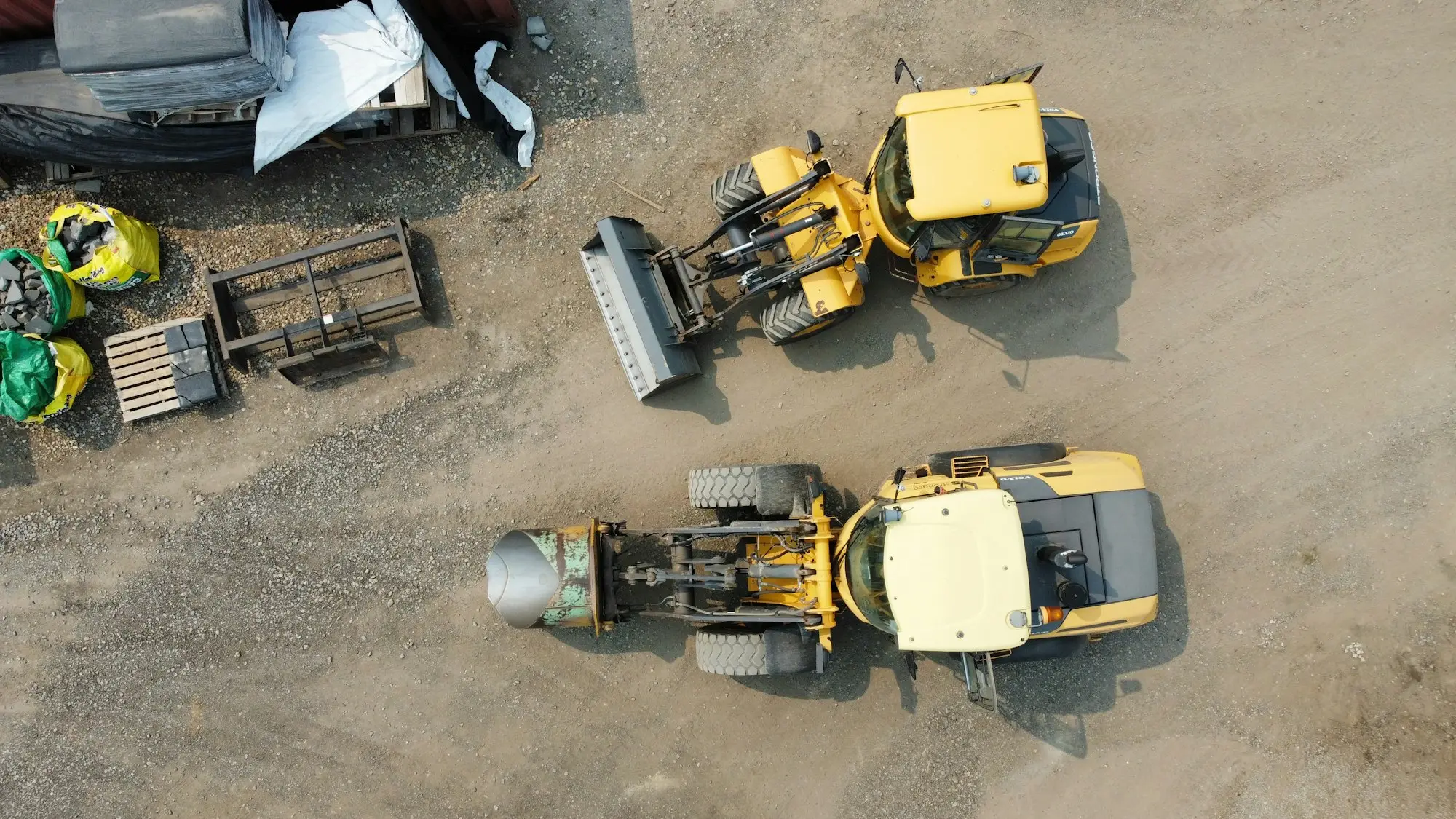
Because the price you paid includes the dealer’s margin, delivery, GST and the pleasure of owning it new. A lender’s valuation strips all of that out and asks what a second-hand buyer would pay on a bad day.
Three things move the number most:
- Age and condition. Lenders work from the machine’s likely life. Older equipment supports less and for a shorter term.
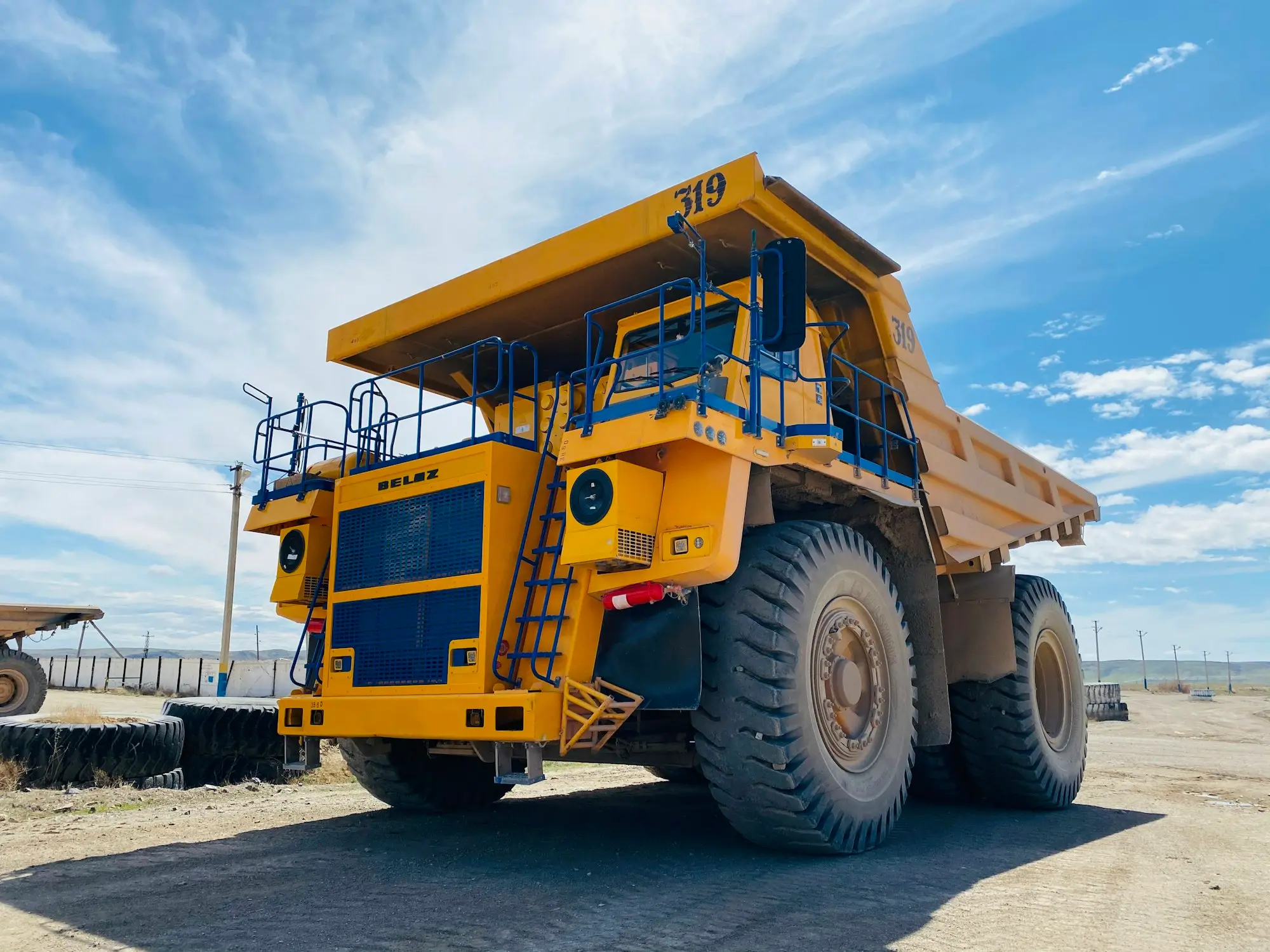
- Specialisation. A standard ute, excavator or commercial oven has a ready market. A machine built or modified for one process doesn’t.
- Whether it can be identified. Vehicles and plant with a serial number can be searched on the PPSR and registered against precisely. AFSA reported that motor vehicle searches by serial number were the most common search type in the March quarter of 2026, which tells you how routine that check has become for buyers and lenders alike.
This is also why equipment finance often lends against the thing it’s buying: a lender financing a new truck can take that truck as security, value it from the supplier’s invoice and register it. Our page on equipment finance covers the structures.
How do lenders value invoices and debtors?
With invoice finance, the lender isn’t really assessing you. It’s assessing the people who owe you money. The same $100,000 of invoices can be worth very different amounts depending on who they’re addressed to.
Lenders generally look at:
- Debtor quality. Established, reliable payers count for more than small, new or slow ones.
- Age of the invoice. Invoices that have gone well past terms are often excluded from what the lender will fund.
- Concentration. If one customer makes up most of your ledger, lenders usually cap how much of that customer they’ll count.
- Disputes and contra. Invoices that are disputed, or where you also owe the customer money, are commonly excluded, as are invoices to related parties.
If late payers are the real problem in your business, start with our guide on late-paying customers in 2026 and the page on invoice finance, because a lender who sees your ledger full of 60-day-plus invoices will value it accordingly.
Why is stock the asset lenders trust least?
Stock looks good on a balance sheet and weak in a recovery. It can be seasonal, go out of fashion, spoil, be damaged in storage or be sold to customers on terms before the lender ever sees it. Many lenders will take a general security over stock as part of an all-assets registration, but few will lend a set amount against it unless it’s easy to count, store and sell. Stock-heavy businesses often get further with stock and inventory funding structured around the purchase itself, or with cash-flow lending sized on turnover.
Does anyone else already have a claim on my assets?
This is the question that quietly changes the numbers. Lenders record their security on the Personal Property Securities Register, run by AFSA, and their place in the queue largely follows who registered first. A new lender will search the register before it values anything. If another lender holds an all-assets registration, the new one is behind it, and may lend less, ask for the earlier lender’s consent or decline.
You can run the same search the lender will. Look up your business and any serial-numbered assets on the PPSR before you apply, so nothing surprises you. Our explainer on the PPSR covers what registrations mean and how to remove an old one once a loan is paid out.
Many loans described as “unsecured” still come with a general security agreement over business assets, so it’s worth asking exactly what the lender will register.
What does this look like with real numbers?
Purely illustrative. A landscaping business wants $150,000 to expand. It owns a $120,000 truck bought two years ago, $60,000 of mowing and plant equipment, $40,000 of unpaid invoices to a few commercial customers and $25,000 of stock.
A lender doing a recovery valuation might reason like this:
- The truck is serial numbered, has a ready resale market and is clear of other finance, so a good part of its value counts, but less than the original price because it’s two years old.
- The plant is common but used, so a smaller portion counts.
- The invoices count if the debtors are reliable and within terms. If two customers owe most of the $40,000, the lender may cap them.
- The stock adds little or nothing to the number.
Add it up and the owner finds the security supports well under the sum of its sticker values, perhaps closer to half the headline total than all of it. That’s a normal result, not a sign of a bad business. The sensible next step is to size the request to the security (or choose a cash-flow product sized on turnover instead), rather than asking for $150,000 and discovering the gap in a decline letter.
How do I estimate what my assets will support?
A rough five-step process before you talk to anyone:
- List every asset you could offer, with serial numbers, age and who is on the title or invoice.
- Search the PPSR for existing registrations over your business and any serial-numbered goods.
- Write down a recovery value, not a market value. Use what a quick sale would plausibly bring, from a dealer’s trade-in view or a past auction, not the replacement price.
- Clean up the invoice ledger. Chase anything long overdue and note disputes and concentration.
- Run the figures through our borrowing power estimator and the Lender Matcher to see which lender types suit your security and amount.
Lenders also weigh the business itself (cash flow, trading history, credit file) alongside security, which is covered in what lenders assess.
If you’d like a second pair of eyes on how your own assets might be treated, you can check your options here once your list is ready.
Ready to find out what your security supports?
If you’ve worked through the list above, you already know more about your position than most applicants. The remaining job is matching it to the lender type that values your assets the way you’d hope. A property-backed lender sees things differently from an asset financier, and both differ from an online lender reading your bank statements.
That’s where a real person helps. Enquiring takes about 60 seconds and doesn’t involve a credit check, so asking won’t touch your credit file. We don’t send your details to a pile of lenders; someone who knows the Australian market reads your situation and calls you to talk it through. All we ask is that you fill the form in accurately, including the assets and any existing finance, so we can point you to the right option the first time.
Frequently asked questions
What assets can I use as security for a business loan?
Common choices are residential or commercial property, vehicles and equipment, invoices owed to you, and sometimes stock. Many lenders also take a general security over all business assets. Property-backed loans through this site run from $20,000 to $5,000,000, while unsecured and cash-flow options are typically $5,000 to $500,000.
Why won't a lender fund the full value of my equipment's value?
Because they are protecting against the sale they would have to make if you stopped paying. A forced sale usually brings less than a normal sale, and the gap is bigger for old, specialised or hard-to-move machines. Lenders also want you to have some of your own money in the deal.
Can I use stock as security for a business loan?
Sometimes, but it is the asset lenders trust least. Stock can sell slowly, go out of fashion, spoil or be sold on terms. Most lenders look at it as a general security over business assets rather than lending a set amount against it, and some ignore it altogether.
How are my customers' invoices valued for invoice finance?
The lender assesses who owes the money, not just who is borrowing it. Invoices to large, reliable payers are funded more readily than invoices to small or slow ones. Old invoices, disputed invoices, related-party invoices and a single debtor making up most of your ledger are the usual exclusions or limits.
Does a PPSR registration reduce what I can borrow?
It can. If another lender already has a registration over the same asset or all your assets, a new lender sits behind it and may lend less or decline. You can search the PPSR yourself to see what is already registered before you apply.
Can I borrow against equipment I already own?
Yes, through refinancing or a sale-and-leaseback style structure, if the equipment is clear of other security. The lender will value it on a recovery basis, so expect a number below what you paid. Equipment with a serial number, such as a vehicle, is easier to value and register.
Sources we checked
- business.gov.au — Apply for a business loan
- Personal Property Securities Register (PPSR) — AFSA
- AFSA — PPSR activity, March quarter 2026
General information only, current at 30 October 2026. We don't publish interest rates: every business loan is priced on the borrower's own circumstances.