












No credit check to ask Your details go to one lender, not a list Business purposes only

03 9072 0200
Industries main in an Australian small business setting

Finance by industry

Business loans by industry

Builders, cafes, clinics, farms, fleets and online stores borrow differently. Each guide covers the cash-flow cycle, assets, documents and finance mix that lenders expect in that trade.

See if you qualify → No credit check to enquire
In this hub
15 guides
Updated
5 October 2026
To enquire
No credit check

Industries in one paragraph

Lenders look at your industry because it shapes cash flow, security and risk. Trades and construction juggle progress claims and retentions; hospitality runs on daily card takings and seasonal swings; transport is asset-heavy with customers on payment terms; medical and professional firms have steady fees and expensive fit-outs; agriculture depends on seasons and land. The right business loan fits the industry's cash-flow cycle and the assets it already owns.

01 Industries

Business loan guides by industry

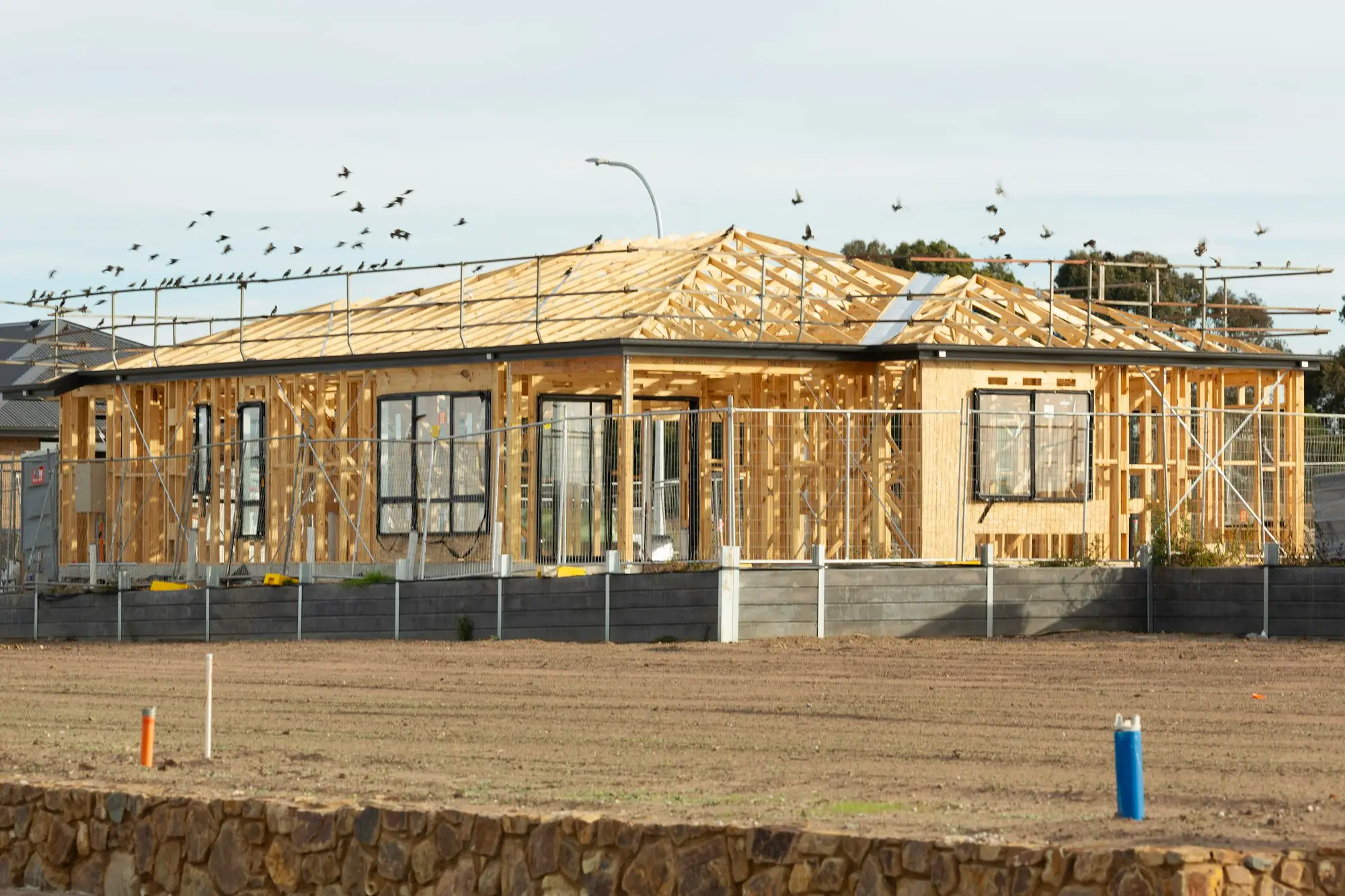
Builder ute timber frame site

Builders and tradies

Business loans for builders and tradies in Australia: how lenders read progress claims, what tradie finance covers, the documents needed and traps to avoid.

Read the industry guide
Cafe owner espresso bar morning

Hospitality

Hospitality business loans in Australia: how lenders read card takings, funding kitchens, fit-outs and venues, the documents needed and mistakes to avoid.

Read the industry guide
Retail shop owner main in an Australian small business setting

Retail

Retail business loans in Australia: funding stock before peak season, shopfits and new stores, how lenders read your margins and the documents to have ready.

Read the industry guide
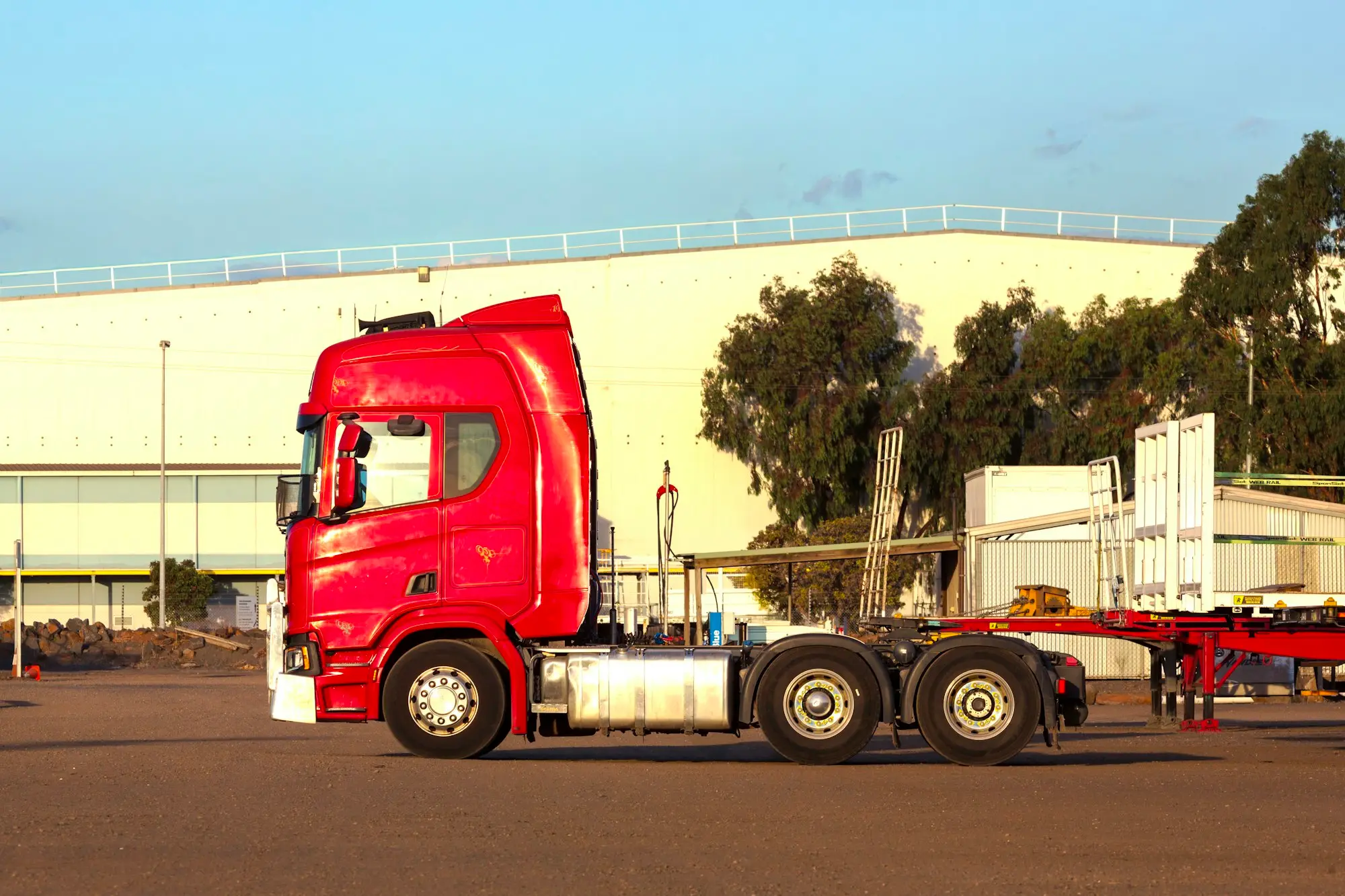
Truck driver prime mover depot

Transport and logistics

Transport business loans in Australia: truck and trailer finance, funding fuel and wages while customers pay on terms, what lenders check and traps to avoid.

Read the industry guide
Dental surgery chair practice

Medical and dental

Medical and dental practice finance in Australia: funding fit-outs, chairs and imaging, buying into a practice, what lenders assess and documents to prepare.

Read the industry guide
Pharmacist dispensary counter

Pharmacy

Pharmacy business loans in Australia: financing a purchase or buy-in, dispensary refits and robots, stock and wholesaler terms, and what lenders check first.

Read the industry guide
Farmer header canola harvest

Agriculture

Agriculture business loans in Australia: farm finance for machinery, inputs and land, seasonal working capital, government farm loans and what lenders want.

Read the industry guide
Machinist CNC machine factory

Manufacturing

Manufacturing business loans in Australia: financing plant and machinery, raw materials and big orders, export contracts, plus the documents lenders ask for.

Read the industry guide
Accountant team office meeting

Professional services

Business loans for professional services firms in Australia: funding work in progress, partner buy-ins, practice purchases, fit-outs and what lenders want.

Read the industry guide
Hair salon stylist client

Hair and beauty

Salon finance in Australia: business loans for hairdressers, barbers, beauty and skin clinics, from fit-outs and laser equipment to buying a salon and stock.

Read the industry guide
Online store owner packing orders

Ecommerce

Ecommerce business loans in Australia: funding imported stock, ad spend and peak season for online stores, revenue-based finance and what lenders look at.

Read the industry guide
Childcare educATOrs outdoor play

Childcare

Childcare business loans in Australia: buying a centre, fit-outs and playground upgrades, how lenders read occupancy and subsidy income, and what to prepare.

Read the industry guide
Mechanic workshop hoist ute

Automotive

Automotive business loans in Australia for mechanics, panel beaters, tyre shops and car dealers: workshop equipment, floorplan stock, insurer delays and more.

Read the industry guide
Gym owner weights floor in an Australian small business setting

Fitness

Gym and fitness business loans in Australia: funding equipment, fit-outs and studio openings, how lenders read membership income and the pitfalls to avoid.

Read the industry guide
Commercial cleaner office van

Cleaning

Cleaning business loans in Australia: funding wages on new contracts, vans and floor machines, invoice finance for slow payers and what lenders ask for.

Read the industry guide

Why industry changes the loan

Australia had 2,814,778 actively trading businesses at June 2026, according to the ABS, and they run on very different cash-flow cycles. A cafe banks takings every day; a builder may wait weeks for a progress claim and months for a retention; a farm can earn most of its income in one harvest. A lender assessing a business loan wants to see that repayments line up with how money actually arrives, so the same loan structure can be a perfect fit in one industry and a constant strain in another.

Industry also shapes security. Transport and earthmoving businesses own expensive, resaleable equipment. Medical and dental practices invest heavily in fit-outs and specialised gear. Professional firms often have little in the way of hard assets but steady, predictable fees. Online retailers hold stock and rely on platform payouts. Each points toward a different finance mix.

How lenders view the main industries

Industry Cash-flow pattern Common finance mix What lenders watch
Builders and tradies Progress claims, retentions Equipment finance, line of credit, invoice finance Contract terms, ATO position
Hospitality Daily card takings, seasonal Equipment and fit-out finance, short-term loans Trading consistency, lease terms
Retail Stock builds before peaks Line of credit, short-term loans, trade finance Stock turnover, margins
Transport Fuel and wages weekly, customers on terms Truck finance, invoice finance Contracts, fleet age
Medical and dental Steady fees, big fit-outs Equipment finance, practice loans Practitioner registration, patient base
Agriculture Seasonal, harvest-driven Machinery finance, seasonal facilities Seasons, land security

These are patterns, not rules. Your own figures matter more than your industry average, and a well-run business in a sector lenders find difficult can still borrow on good terms.

Matching the loan to your trade’s cycle

Three questions help in any industry. When does cash arrive, and how reliably? What assets does the business own or need? And what happens in your quietest month? A business with lumpy income usually suits a line of credit or invoice finance over a fixed term loan with weekly debits. An asset-heavy business usually funds equipment through equipment finance, keeping other facilities free for working capital. A seasonal business benefits from repayments timed to its cycle; our guide to irregular income explains how lenders look at it.

The RBA’s October 2026 Financial Stability Review noted that insolvencies remain elevated in hospitality, construction and transport and that most insolvent companies are small, so lenders in those sectors look harder at cash buffers and tax compliance. Getting your BAS lodged and your ATO account in order before you apply matters even more there.

An illustrative example

Purely illustrative, with no real business involved: two businesses each want $120,000. The first is a plumbing company with two years of trading, three utes, steady commercial contracts paid on 30-day terms and a quarterly BAS that is always lodged on time. The second is a cafe group opening a second site, with strong daily card takings, a five-year lease and a fit-out quote. A lender would likely steer the plumber toward equipment finance for a new vehicle plus a modest line of credit to cover materials between invoices, and the cafe toward fit-out finance secured on the equipment with a separate short-term facility for opening stock. Same amount, very different structures — because the industries move money differently.

What to prepare, whatever your trade

  • Six to twelve months of business bank statements covering a full trading cycle where possible.
  • Lodged BAS and an ATO account summary; a payment plan if anything is owing.
  • Quotes or invoices for any equipment, vehicles or fit-out.
  • Key contracts, leases or customer agreements that show where future income comes from.
  • A short note on seasonality: your busiest and quietest months and how you manage the gap.

Our document checklist builder turns this into a printable list for your loan type, and the business loan requirements guide explains what each document is for. If you’d like a specialist to look over your mix first, ask us before you apply — there’s no credit check involved.

Explore your industry

Each guide below covers one industry: its cash-flow cycle, the assets lenders lend against, the documents they ask for, the usual finance mix and how seasonality is treated. Use the borrowing power estimator to test your numbers, or the Lender Matcher for a quick read on lender types.

Talk to someone who knows your industry

When you’d rather explain your business once to a person who understands it, send a 60-second enquiry. There’s no credit check to ask, your details go to one well-chosen lender instead of a pile of them, and accurate answers about your trading mean we can match you properly first time.

Industries: common questions

Why do lenders care what industry my business is in?

Industry tells a lender how cash moves through the business, what assets it owns, how exposed it is to seasons or the economy, and how similar businesses have performed. Some lenders avoid certain industries altogether; others specialise in them. The RBA noted in October 2026 that insolvencies are elevated in hospitality, construction and transport, which affects how lenders view those sectors.

Which industries find it hardest to get business loans?

Industries with volatile cash flow, high failure rates or hard-to-value assets tend to face stricter rules — hospitality, construction and some transport businesses are common examples. That doesn't mean finance isn't available; it means security, a strong trading record and a clear purpose carry more weight.

What kind of finance do tradies usually use?

Most trades businesses use a mix: equipment finance or chattel mortgages for utes, tools and machinery, a line of credit or overdraft to cover materials and wages between progress claims, and sometimes invoice finance on larger commercial contracts. Property-secured loans come in for bigger needs such as a yard, a workshop or clearing a tax debt.

Can a new business in a high-risk industry get a loan?

It's harder but possible. Lenders will lean more on security, the owner's experience in the industry and a realistic plan. Equipment finance for essential assets and property-secured loans are usually more accessible than unsecured lending for new businesses in sectors lenders see as risky.

Ready when you are

Know what you need? Let's find who'll lend it.

Tell us the amount, the purpose and a little about the business. A real person matches you to the lender most likely to say yes — no credit check to ask.

No credit check to ask

Asking what you could get leaves your credit file alone. A check only happens later, with a lender you've chosen, and you'll know before it does.

Not sprayed to a list

Your enquiry isn't auctioned or blasted to a crowd of lenders. We work out where it belongs and take it to that lender properly.

A real person on your file

Someone who knows the Australian lending market reads your details and calls you. Accurate answers on the form mean the right match first time.