The short answer
Retail finance in Australia mostly solves one problem: paying for stock months before customers buy it. Shop owners use lines of credit, short-term loans, stock or trade finance for inventory, equipment finance for shelving and point-of-sale gear, and property-backed loans for bigger moves like a second store. Lenders read card takings, gross margin, stock turn and the lease term to decide how much they'll lend.
On this page · 9 sections
- How does money move through a retail business?
- What do retailers borrow for?
- Which lenders suit retail?
- Does it matter what kind of shop you run?
- What will a lender ask a retailer for?
- How should retailers plan around the calendar?
- What mistakes do retailers make with finance?
- An illustrative example
- Ready to fund your next season?
Key points
- Retailers usually pay for stock 60 to 120 days before it sells, which is what most retail finance funds.
- Lenders care about gross margin and how fast stock turns, not just turnover.
- Christmas stock is typically ordered in winter, so finance should be lined up before then.
- The RBA reports small retailers have had weaker sales growth than large retailers since late 2022.
Key facts
- Main need
- Stock ahead of peak trading periods
- Common products
- Line of credit, stock and trade finance, equipment finance
- Lenders read
- Card takings, margin, stock turn, lease
- Busiest period
- November to January for most shops
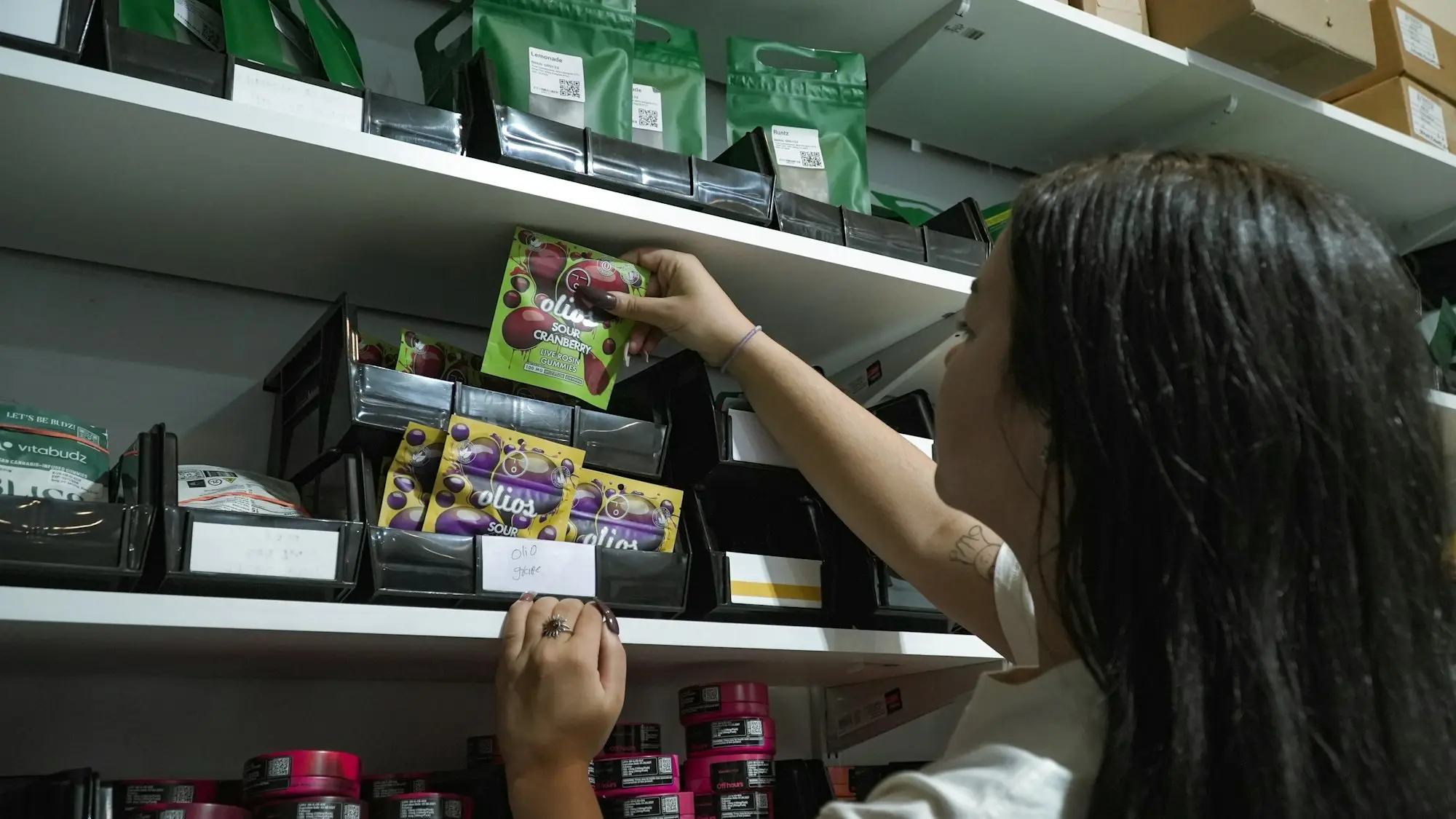
Business loans for retail businesses in Australia exist mainly to carry stock: a boutique, hardware store, gift shop, bike shop or homewares showroom buys its range weeks or months before a customer walks in. Retail finance also covers shopfits, point-of-sale systems, delivery vans and opening new locations. The best facility for a shop is one that expands when the stock order goes in and shrinks as the goods sell.
How does money move through a retail business?
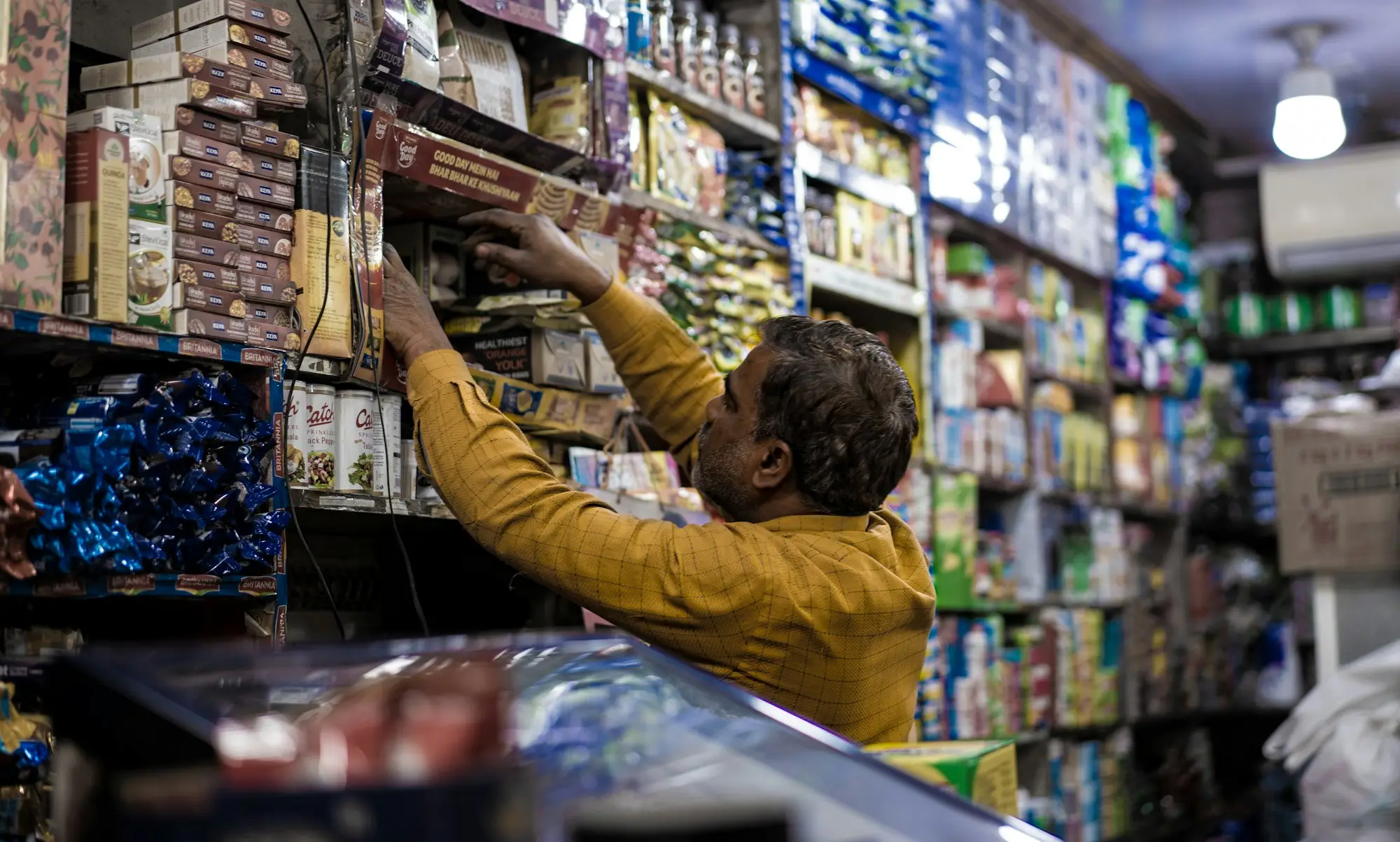
The retail cash cycle runs from purchase order to sale to payment. A clothing boutique might commit to its summer range in June, pay a deposit, pay the balance when the shipment lands in September, then sell through between October and January. A hardware or farm supply store in a country town carries a deep range year-round, with suppliers offering 30 or 60 days but expecting to be paid whether or not the stock has moved.
So most of a retailer’s money is sitting on shelves at any given time. The two numbers that decide how comfortable that is:
- Gross margin — what’s left from each sale after the cost of the goods. Discounting erodes it quickly.
- Stock turn — how many times a year the average stock level sells and is replaced. Slow turn means cash tied up for longer.
The RBA’s October 2025 Bulletin notes that small retailers have experienced more subdued sales growth than large retailers since late 2022, and its October 2026 Financial Stability Review expects stress to persist in retail among smaller firms. Lenders know independent shops are competing with national chains and online marketplaces, so they want evidence that your range, location or service gives you a reason to exist.
What do retailers borrow for?
| Need | Suitable finance | How it’s usually secured |
|---|---|---|
| Seasonal or bulk stock buy | Stock and inventory finance or short-term loan | Guarantee, sometimes the stock |
| Ongoing stock top-ups | Line of credit | Guarantee or property |
| Paying an overseas supplier before shipment | Trade finance | The goods and the documents |
| Shelving, counters, displays, signage | Fit-out finance or equipment finance | Movable items, guarantee |
| POS terminals, scanners, security systems | Equipment finance or small loan | The equipment |
| Delivery van | Vehicle finance | The vehicle |
| Second or relocated store | Term loan, often property-backed | Property or business assets |
Shelving, scanners and other assets under $20,000 may also qualify for the instant asset write-off, which the ATO confirms is permanent from 1 July 2026 for businesses with aggregated turnover under $10 million. That improves the after-tax cost but doesn’t replace a sensible finance plan.
Which lenders suit retail?
- Online and non-bank lenders size working capital from your bank statements — through our network typically $5,000 to $500,000 unsecured for trading businesses.
- Trade finance providers suit importers who must pay overseas suppliers well before the goods arrive.
- Equipment financiers cover point-of-sale systems, cool rooms, forklifts and vans.
- Banks suit established retailers with strong financials and property to offer.
- Property-backed lenders fund bigger moves — a second store, buying out a partner, clearing an ATO debt — from $20,000 to $5,000,000 against residential or commercial property.
- Card-based advance providers are an option for short needs, with a higher total cost.
Mapping your stock calendar against these options is the quickest way to pick one. If you’d like help, talk it through with a lending specialist before your next order deadline.
Does it matter what kind of shop you run?
Yes, because lenders think about how easily stock can be sold if things go wrong and how steady takings are.
- Convenience and grocery retailers have frequent, predictable sales and fast stock turn, which lenders like.
- Fashion and gifts carry seasonal, trend-driven stock that can lose value quickly, so lenders lean on bank statements rather than the stock itself.
- Hardware, farm supply and trade counters often sell on account to local builders and farmers, so the debtor ledger matters as much as the shelves.
- Furniture, bikes and electrical have higher ticket prices and may offer customer finance, which changes cash timing.
Describing your model clearly in the enquiry helps the right lender say yes.
What will a lender ask a retailer for?
- Six to twelve months of business bank statements.
- The last four BAS.
- A recent profit and loss showing gross margin.
- A stock report — value on hand, ageing and what’s on order.
- The shop lease, including remaining term and options.
- Supplier terms and any existing trade accounts in arrears.
- A list of current loans, leases and advances.
Two years of financial statements and tax returns come into play for larger facilities or bank lending.
How should retailers plan around the calendar?
Retail has more peaks than most industries. Christmas and the Boxing Day sales dominate for most shops, but there’s also back-to-school, Mother’s Day, Father’s Day and EOFY clearance. Garden and outdoor retailers peak in spring; ski and heating stores in winter; tourist-town shops with school holidays.
A practical rhythm:
- Review last year’s sell-through in late autumn.
- Arrange or increase your facility in winter, while statements still show last peak’s takings.
- Draw it as orders are paid from late winter into spring.
- Repay from December and January takings.
- Clear slow lines in the January and EOFY sales so the cycle restarts with cash, not dead stock.
What mistakes do retailers make with finance?
- Buying too deep. Borrowing for extra stock only works if it sells at full margin.
- Funding slow stock with expensive short-term money. Daily repayments on stock that turns twice a year is a mismatch.
- Ignoring the lease. A short remaining lease limits loan terms and can threaten the whole business.
- Discounting to make repayments. It solves this week and damages next quarter.
- Letting supplier accounts slide. Suppliers talk, and stopped accounts make it hard to stock the shelves.
An illustrative example
Illustrative only, with round numbers and no real shop. A regional homewares store turns over around $900,000 a year with a healthy gross margin. The owner wants to place a $150,000 Christmas order in August, payable in two instalments. She sets up a $150,000 line of credit, drawing $70,000 in August and $80,000 in October. Card takings from late November to mid-January bring the balance back near zero, and she pays interest only on what was drawn, for the weeks it was drawn.
Ready to fund your next season?
Share what you sell, how long you’ve traded, rough annual takings and what the money is for. The first step doesn’t involve a credit check, your file isn’t scattered across a list of lenders, and a real person who understands stock cycles reviews it. Accurate figures on takings and existing debts help us get the match right on the first attempt. Check what your shop could qualify for, or see how other industries borrow.
Frequently asked questions
How can a retail shop finance stock?
Common options are a revolving line of credit drawn when orders are placed, a short-term loan for a one-off seasonal buy, trade finance that pays an overseas supplier before goods arrive, and supplier credit terms. Lenders want to see that previous stock purchases sold through at a healthy margin before they fund a bigger order.
What do lenders look at for a retail business loan?
Bank statements showing card and cash takings, BAS, gross margin from your profit and loss, stock levels and turnover rate, the lease and remaining term, and existing debts. For larger loans they'll also want financial statements, tax returns and sometimes property security.
Can I get a loan to open a second store?
Yes, if the first store has a solid trading record. Lenders want to see the existing shop's figures, the new site's lease, the fit-out and stock budget and a realistic forecast. A property-backed loan often suits larger expansions because it allows a longer term and lower repayments.
Is a merchant cash advance suitable for retail?
It can be for a short, clear purpose because repayments follow card sales. It's an expensive way to fund stock, though, and it reduces cash on every sale until it's repaid. Compare the total dollar cost with a line of credit or short-term loan first, and avoid taking a second advance before the first is cleared.
Can a new shop get a business loan?
It's harder. Unsecured lenders usually want six to twelve months of trading. A new retailer can often finance equipment and shelving against the goods themselves, and a property-backed loan can fund stock and fit-out where the owner has equity. A clear opening budget helps.
Sources we checked
- RBA Bulletin (October 2025) — Small business economic and financial conditions
- RBA Financial Stability Review (October 2026) — Resilience of Australian households and businesses
- ATO — $20,000 instant asset write-off
General information only, current at 5 October 2026. We don't publish interest rates: every business loan is priced on the borrower's own circumstances.