The short answer
Childcare finance in Australia is mostly used to buy an existing centre, fund a refurbishment or playground upgrade, add places, or carry wages while occupancy builds at a new centre. Lenders focus on occupancy, staff costs, quality ratings, the lease and how much income comes through the Child Care Subsidy, which is paid to approved providers and passed on to families as a fee reduction. Established centres with strong occupancy are well regarded.
On this page · 10 sections
- How does a childcare centre’s cash flow work?
- What do childcare operators borrow for?
- How do lenders value a childcare centre?
- Which lenders suit childcare businesses?
- What documents do lenders need from a childcare operator?
- Is childcare seasonal?
- What finance mistakes do childcare operators make?
- Should you buy a leasehold or freehold centre?
- An illustrative example
- Ready to plan your childcare finance?
Key points
- Occupancy is the single biggest driver of a centre's profit and its borrowing power.
- Child Care Subsidy is paid to approved providers and passed to families as a fee reduction.
- Wages are the largest cost because of educator-to-child ratios.
- Since 5 January 2026, CCS-eligible families can get at least 72 hours of subsidised care a fortnight.
Key facts
- Main purposes
- Centre purchase, refurbishment, ramp-up wages
- Lenders assess
- Occupancy, wages ratio, quality rating, lease
- Income mix
- Subsidy paid to provider plus family gap fees
- Seasonality
- Enrolments reset each January
Business loans for childcare centres in Australia help operators buy established centres, refresh rooms and playgrounds, add licensed places or carry a new centre through the months it takes to fill. Childcare finance is a well-understood niche: lenders know the subsidy system, the staffing ratios and the way occupancy drives profit. That familiarity cuts both ways — they’ll lend with confidence to a well-run centre and quickly spot the weaknesses in a struggling one.
How does a childcare centre’s cash flow work?
Childcare income has two parts. The larger share for most families is the Child Care Subsidy. The Department of Social Services’ family assistance guide states that CCS is paid to approved providers to pass on as a fee reduction to families. The remainder is the gap fee families pay directly, usually weekly or fortnightly by direct debit.
Costs are dominated by wages. Educator-to-child ratios mean staffing must scale with attendance, and qualified staff are in demand. Rent is the next major cost for leasehold centres, followed by food, consumables, cleaning, maintenance, insurance and software.
Policy settings also shape demand. The Department of Education says that from 5 January 2026, all CCS-eligible families can get at least 72 hours of subsidised care per fortnight, under what is known as the 3 Day Guarantee. Changes like this can shift how many days families book, which flows straight into occupancy.
Occupancy — the share of licensed places filled each day — is what makes or breaks a centre. Fixed costs are covered at a certain level, and every extra child above that adds strongly to profit. Mondays and Fridays are traditionally the weakest days, so lenders look at occupancy by weekday, not just the average.
What do childcare operators borrow for?
| Need | Suitable finance | Usual security |
|---|---|---|
| Buying an established leasehold centre | Business purchase finance | Business assets, guarantees, often property |
| Buying a freehold centre | Commercial property loan plus business loan | The property |
| Room refurbishments and kitchen upgrades | Fit-out finance or term loan | Guarantee or property |
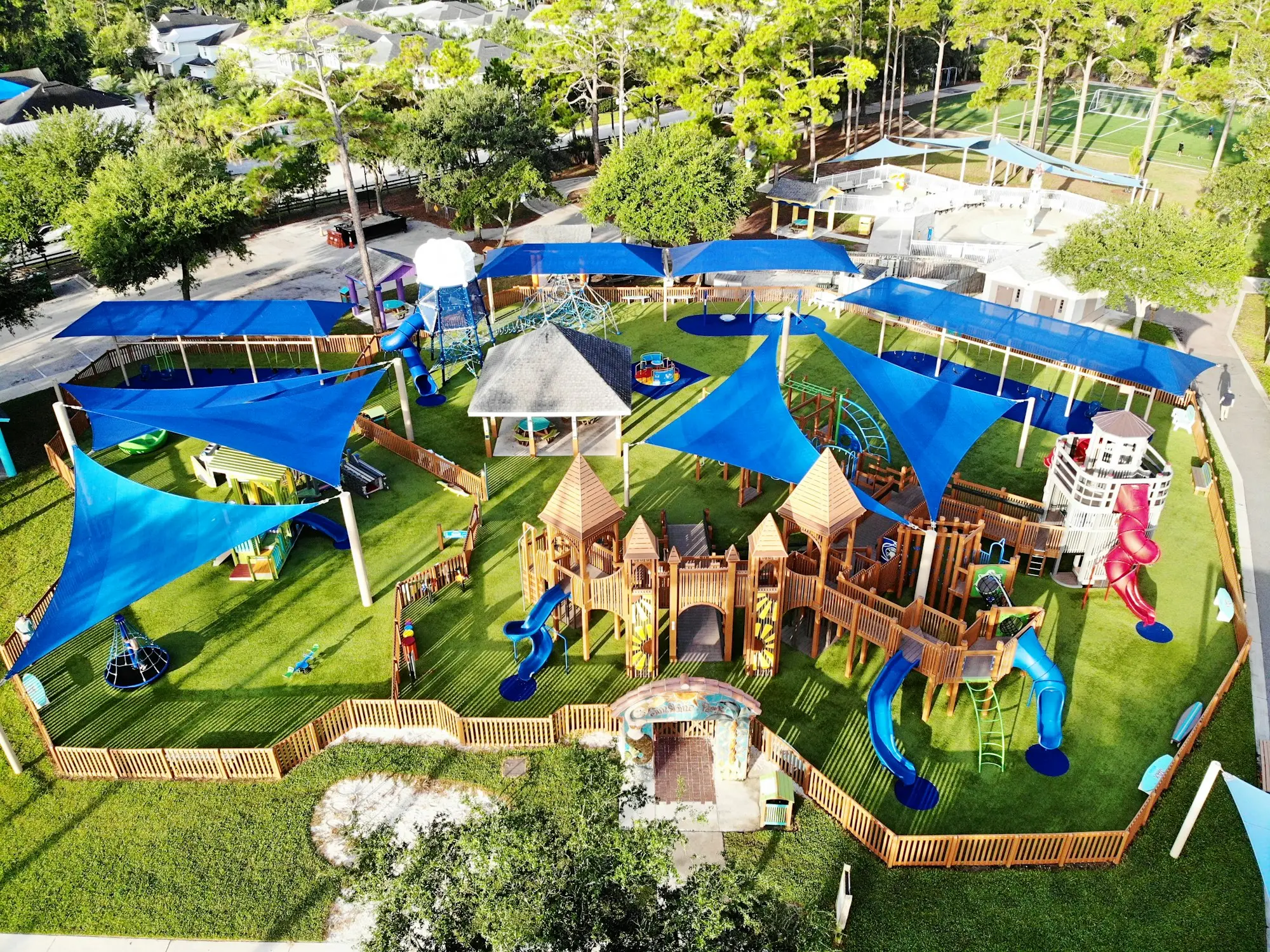
| Playground and shade structures | Term loan or secured loan | Property or business assets |
| Wages while a new centre fills | Payroll and hiring finance or line of credit | Guarantee or property |
| Buses for outside school hours care | Vehicle finance | The vehicle |
| A second or third centre | Expansion finance | Combined assets and property |
How do lenders value a childcare centre?
Leasehold centres are usually valued on maintainable earnings — the profit the business can reliably produce after a market wage for the operator — multiplied by a factor that reflects location, lease security, quality rating and occupancy stability. Lenders then fund a portion of that value, not the whole price. Freehold centres add a property valuation, which considers the building, the lease to the operator and comparable sales. Because valuers weigh lease length heavily, a centre with a long lease and options is worth more, and is easier to finance, than an identical centre with only a few years left. Ask for the valuation basis early so the price and the loan line up.
Which lenders suit childcare businesses?
- Banks, several with specialist teams, finance most centre purchases for experienced operators with strong occupancy.
- Non-bank lenders help buyers outside bank policy — first-time operators, newer centres or more complex structures.
- Equipment and vehicle financiers cover buses, kitchen equipment and furniture.
- Online lenders offer working capital to trading centres; through our network, unsecured and cash-flow facilities typically run from $5,000 to $500,000, depending on turnover and the account’s history.
- Property-backed lenders fund deposits, refurbishments, ramp-up losses or consolidation, with $20,000 to $5,000,000 available against residential or commercial property.
Considering a centre purchase or expansion? Get an early view from a lending specialist — enquiring won’t affect your credit.
What documents do lenders need from a childcare operator?
- Two to three years of financial statements and tax returns for the centre.
- Occupancy reports by week and weekday for at least 12 months.
- Fee schedules and subsidy income summaries.
- The lease, remaining term, options and rent review terms.
- The centre’s quality rating and any compliance history.
- Staff numbers, qualifications and the wages bill.
- For purchases, the contract, vendor information and your own operating experience.
- For new centres, a feasibility study, demographic analysis and ramp-up forecast.
Is childcare seasonal?
In a predictable way. Many children move on to school at the end of each year, so occupancy often dips in December and January before new enrolments build through the year. Some families take extended breaks over summer. Centres in growth corridors may fill faster, while those near CBDs depend on office attendance patterns. Lenders understand this cycle, but they want to see that the centre recovers its occupancy each year and that cash reserves cover the January dip.
What finance mistakes do childcare operators make?
- Buying on peak occupancy. If the sale is timed for the end of a strong year, check how the centre performs in February and March.
- Underestimating ramp-up. New centres can take a long time to reach sustainable occupancy. Underfunding that period is a common failure point.
- Ignoring the lease. Long leases with fixed annual increases can squeeze margins as costs rise.
- Over-improving. Refurbishments should support occupancy or fee levels, not just appearance.
- Wage cost drift. Staffing above ratio requirements on low-attendance days erodes profit quickly.
Should you buy a leasehold or freehold centre?
It depends on your capital and goals. A leasehold centre needs less capital and is valued on its earnings, but you’re exposed to rent increases and the landlord’s decisions at lease end. A freehold purchase costs more upfront but gives you control of the site and an asset that can grow in value. Some operators buy leasehold first, build experience and cash flow, then buy freehold later. Lenders look at both differently: leasehold purchases rely on business cash flow, while freehold purchases bring property into the security.
An illustrative example
Illustrative only, with rounded numbers and a fictional centre. An experienced educator buys a 90-place leasehold centre in a regional city for $1.5 million. Occupancy has averaged above 85% for two years, and 12 years remain on the lease including options. She contributes $350,000 from savings and home equity, and a lender funds $1.15 million against the business with a guarantee and a second mortgage on her home. A separate $80,000 loan refurbishes the outdoor play area in the first year.
Ready to plan your childcare finance?
Tell us whether you’re buying, building or upgrading, how many places are involved and roughly what the centre earns. You can enquire without a credit check, your details won’t be broadcast to a pile of lenders, and a real person familiar with how centres operate will review your file. Accurate occupancy and cost figures let us introduce the right lender from the start. See if your centre qualifies, or explore other industries.
Frequently asked questions
Can I get a loan to buy a childcare centre?
Yes. Lenders fund purchases of established centres based on occupancy history, profit, the lease, quality ratings and the buyer's experience. A leasehold centre is valued on its earnings, while a freehold purchase includes the property. Buyers usually contribute a deposit or offer other property as additional security.
How do lenders view Child Care Subsidy income?
Positively, because it's government-funded and relatively reliable. The Department of Social Services' family assistance guide says CCS is paid to approved providers to pass on as a fee reduction. Lenders still want to see the gap fees families pay, bad debts, and how occupancy and subsidy income have trended over time.
Can I finance a new childcare centre?
New centres are riskier because occupancy takes time to build, so lenders want a feasibility study, demographic data, a realistic ramp-up forecast and enough capital to cover losses in the early months. Experienced operators and buyers with property security have the most options.
What do lenders look at in a childcare centre?
Licensed places, occupancy by day of the week, wages as a share of revenue, quality rating, any compliance issues, the lease term and rent, existing debt and the operator's experience. Lenders also check the centre's provider approval and ownership structure.
Can I borrow for a playground or refurbishment?
Yes. Playground upgrades, shade structures, kitchens and room refurbishments can be funded with a term loan, cash-flow loan or property-backed loan. Movable items such as furniture, equipment and buses can often be financed on their own security. Lenders will want builder or supplier quotes and confirmation the works suit your approval conditions.
Sources we checked
- Department of Social Services — Family Assistance Guide 1.2.6 Child Care Subsidy
- Department of Education — Child Care Subsidy (providers)
- RBA Bulletin (October 2025) — Small business economic and financial conditions
General information only, current at 5 October 2026. We don't publish interest rates: every business loan is priced on the borrower's own circumstances.