






No credit check to ask Your details go to one lender, not a list Business purposes only

03 9072 0200
Lending to sole trader van

Lenders by borrower profile

Who will lend to you?

Bad credit, a young ABN, a sole trader set-up, financials behind or a bank that already said no — here's which lenders still have an appetite for your profile.

See if you qualify → No credit check to enquire
In this hub
10 guides
Updated
5 October 2026
To enquire
No credit check

Who lends to you in one paragraph

Plenty of Australian lenders lend to businesses that don't fit a bank's checklist. Non-bank, private and caveat lenders consider bad credit and ATO debt case by case, particularly with property security. Low doc lenders accept BAS or bank statements instead of tax returns. Asset and invoice financiers lean on the asset or the customer rather than trading history. The key is matching your profile to the lender whose rules fit it.

01 Who lends to you

Business loans for every kind of borrower

Business owner thinking carefully at his desk in an office

Bad credit

Which Australian lenders consider business loans with bad credit, defaults or past bankruptcy, and why no genuine lender guarantees approval.

See your options
Hand sketching a plan on a whiteboard

New ABN loans

Business loans for a new ABN: which Australian lenders fund businesses with under two years of trading, and what to bring when your history is short.

See your options
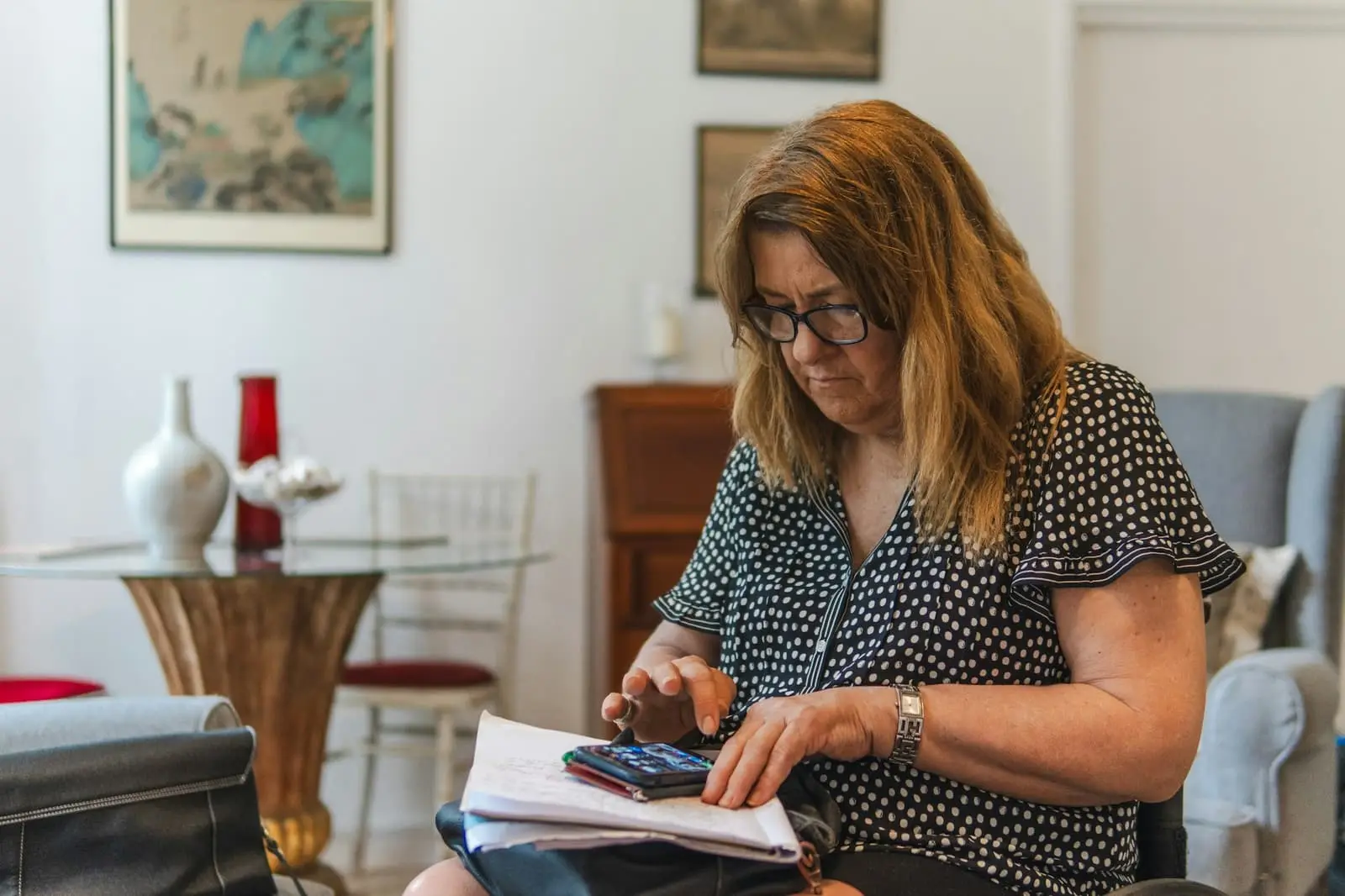
Sole trader using a calculator with paperwork spread on the table

Sole traders

Which Australian lenders lend to sole traders, how they read your personal tax return and bank statements, and how to make yourself easier to lend to.

See your options
Business owner thinking carefully at his desk in an office

After a bank decline

Declined by a bank for a business loan? Read the reason, see which Australian lender types usually say yes next, and avoid repeating the decline.

See your options
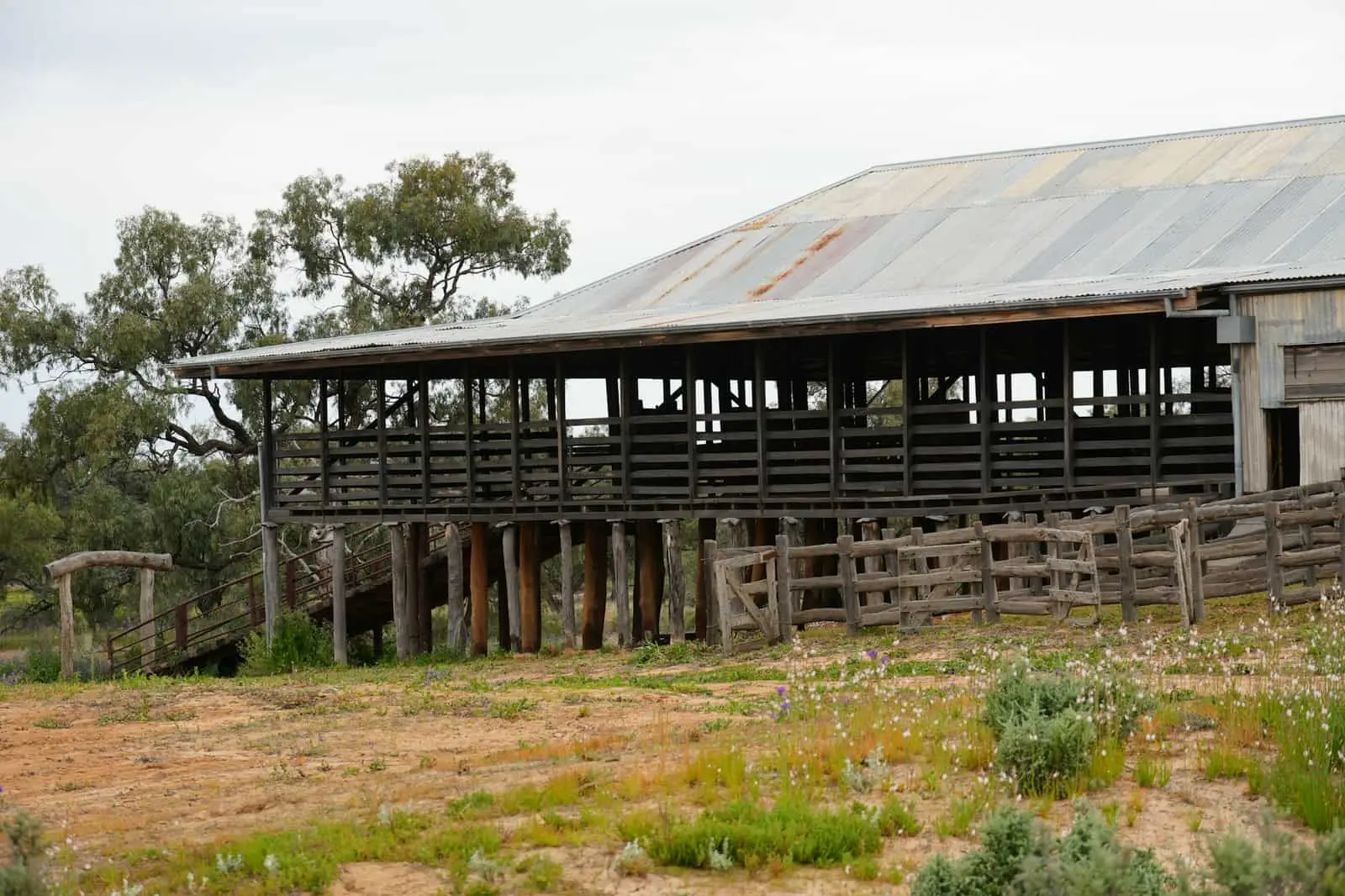
Rustic timber cattle yard with a corrugated iron roof in outback New South Wales

Irregular income

Which Australian lenders suit seasonal, project-based or lumpy-income businesses, which products to avoid, and how to present your annual cycle.

See your options
No financials owner bookkeeper laptop kitchen

No financials

Business loan without financials in Australia: which lenders accept BAS, bank statements or property instead of tax returns, and how to strengthen your file.

See your options
No property renter owner van workshop

No property

Business loan without property in Australia: which lenders use your turnover, equipment, invoices or card takings instead of a house, and how much to expect.

See your options
Company trust accountant directors meeting

Companies and trusts

Business loans for companies and trusts in Australia: how lenders assess company and trust borrowers, trust deed checks, guarantees and documents.

See your options
Contractor electrician ute tools

Contractors

Loans for self-employed contractors in Australia: which lenders fund ABN contractors for vehicles, tools and cash flow, and how they read contract income.

See your options
Indigenous owner cafe counter

Indigenous businesses

Indigenous business loans in Australia: what Indigenous Business Australia offers, who is eligible, and how mainstream lenders can work alongside IBA finance.

See your options

Lenders judge the borrower, not just the loan

Two businesses can ask for the same loan for the same purpose and get opposite answers. The difference is the borrower profile: how long the ABN has been active, how clean the credit file is, how the business is structured, whether financials are up to date and what security is available. Every lender has a policy for each of these, and those policies vary far more than most owners realise.

That variation is good news if you don’t fit the standard bank checklist. The RBA’s October 2025 Bulletin noted that about one in five small and medium businesses reports difficulty getting finance, often because requirements are strict — and that non-bank lending to small businesses has grown strongly since 2022. A large part of that growth is lenders built for profiles the banks turn away.

Which lenders suit which profile

Your situation Lender types that often fit What they lean on instead Guide
Bad credit or past defaults Non-bank, private, caveat lenders Property equity and a clear exit Bad credit
Trading under two years Property-secured, asset financiers Security and industry experience New businesses
Sole trader Most lender types Personal and business income together Sole traders
Tax returns not lodged Low doc and non-bank lenders BAS, bank statements, accountant’s letter No financials
Seasonal or lumpy income Lines of credit, invoice finance Average turnover over a full cycle Irregular income
Declined by a bank Non-bank, online, specialist lenders A policy that fits the decline reason After a bank decline

How to present a harder profile

A harder profile isn’t a hopeless one, but presentation matters more. Lenders who take on more risk want to understand it, and a clear story often makes the difference between a decline and an approval.

  • Explain the history before they find it. A short written note on a default, a tax debt or a past insolvency — what happened, what’s changed, what’s been repaid — reads far better than silence.
  • Lead with your strengths. Property equity, strong recent bank statements, a long industry track record or a solid customer contract can all offset a weakness.
  • Get the ATO in order. A payment plan that’s being kept is viewed very differently from an unmanaged debt. Once an ABN holder has $100,000 or more sitting unpaid for longer than 90 days and stops engaging, the ATO is allowed to disclose that debt to the credit reporting agencies.
  • Ask for what you need. A sized-to-purpose request is easier to approve than the maximum.

Our guide to why lenders say no shows the common deal-breakers by lender type, and the Lender Matcher ranks lender types for your profile in six questions.

An illustrative example

Purely illustrative, with no real business involved: an electrical contractor trading as a sole trader for fourteen months has a paid default from four years ago, BAS lodged on time, and a half-share in a house with solid equity. A major bank won’t consider the application under two years of trading. An online lender might lend a smaller unsecured amount based on bank data. A non-bank lender secured against the house could lend more, over a longer term, looking past the old default once it’s explained. Neither profile detail is a dead end; each simply points to a different door.

Structure matters too

How your business is set up also changes the conversation. Companies and trusts need trust deeds, company extracts and guarantees from directors. Sole traders and contractors are assessed on income that blends business and personal. If you don’t own property, our no property guide explains which lenders still lend and how much. When you’re ready for a person to map your profile to a lender, tell us about the business.

Avoid the scatter-gun approach

When a profile is harder, the temptation is to apply everywhere. It usually backfires. Every formal application can leave an enquiry on your credit file, and a cluster of them tells the next lender you’ve been declined elsewhere. One well-prepared application to a lender whose policy fits your situation is almost always the better path.

Find out who will lend to you

Each guide in this hub covers one borrower profile: which lenders still lend, what they’ll want to see and how to give yourself the best chance. Or hand the matching to a person: tell us about the business in about a minute. Nobody pulls your credit file at that stage, your enquiry is taken to one lender chosen for your profile rather than shopped around, and honest answers about the rough patches let us place it correctly first time.

Who lends to you: common questions

Can I get a business loan if the bank said no?

Often, yes. A bank decline usually reflects that bank's policy — trading time, industry, documents or credit — rather than a verdict on your business. Non-bank, private, online and specialist lenders each have different rules. Find out the reason for the decline first, then approach a lender whose policy fits that reason.

Who lends to businesses with bad credit?

Non-bank, private and caveat lenders are the usual options, especially when there's property equity and a clear way to repay. Some online lenders accept older, explained defaults if bank statements are strong. Recent unpaid defaults and judgements narrow the field, so be upfront about your history.

Can a sole trader get a business loan?

Yes. Sole traders borrow under their ABN, and lenders assess business and personal finances together. Expect to provide your personal tax return or BAS and bank statements. Equipment finance, unsecured loans and property-secured loans are all available to sole traders who meet the lender's trading and credit rules.

Can I get a business loan without property?

Yes. Unsecured and cash-flow lenders, invoice financiers, equipment financiers and merchant cash advance providers all lend without real estate. Amounts are usually smaller and terms shorter than property-secured lending, and most lenders ask for a director's guarantee.

Ready when you are

Know what you need? Let's find who'll lend it.

Tell us the amount, the purpose and a little about the business. A real person matches you to the lender most likely to say yes — no credit check to ask.

No credit check to ask

Asking what you could get leaves your credit file alone. A check only happens later, with a lender you've chosen, and you'll know before it does.

Not sprayed to a list

Your enquiry isn't auctioned or blasted to a crowd of lenders. We work out where it belongs and take it to that lender properly.

A real person on your file

Someone who knows the Australian lending market reads your details and calls you. Accurate answers on the form mean the right match first time.