The short answer
Hospitality finance in Australia is usually built around card takings: lenders read daily EFTPOS deposits, wage costs and rent to size working capital, while kitchen equipment and coffee machines are funded on their own security. Established venues with property can borrow more and for longer. Because the RBA reports elevated insolvencies in hospitality, lenders look closely at margins, the lease term and any tax or super arrears.
On this page · 9 sections
- How does cash flow work in a cafe, restaurant or pub?
- What do hospitality businesses usually borrow for?
- Which lenders suit hospitality?
- What documents does a lender want from a venue?
- Does the type of venue change how lenders see you?
- How do seasons affect hospitality finance?
- What are the common finance mistakes in hospitality?
- An illustrative example
- Ready to find out what your venue could borrow?
Key points
- Card-heavy takings make hospitality bank statements easy for lenders to read — good and bad weeks alike.
- Equipment finance suits ovens, coolrooms and coffee machines; fit-outs are harder to secure.
- The remaining lease term often caps how long a lender will lend for.
- Stacked daily-repayment advances are the most common finance trap in the industry.
Key facts
- Lenders focus on
- Card takings, wages-to-sales, rent, lease term
- Common products
- Equipment finance, cash-flow loans, card-based advances
- Seasonality
- Strong; tourism, school holidays, events and weather
- Watch out for
- Tax and super arrears, short leases
Business loans for hospitality in Australia fund the kitchens, coolrooms, coffee machines, fit-outs, stock and staff that keep cafes, restaurants, bars, pubs and caterers running. Because most takings arrive by card, lenders can see a venue’s trading week by week, and that visibility shapes everything from how much they’ll lend to how repayments are collected. Hospitality finance works best when it’s matched to the rhythm of the business rather than its worst week.
How does cash flow work in a cafe, restaurant or pub?
Hospitality is a daily-cash, weekly-cost business. Card settlements land in the account each day, while wages go out weekly or fortnightly, food suppliers want payment within a week or two, beverage suppliers may give a little longer, and rent is due monthly in advance. Margins are thin, so a slow fortnight or a rise in produce prices bites quickly.
What makes the industry hard to lend to is volatility rather than size. A beachside cafe can double its takings in January and halve them in July. A CBD lunch spot does the opposite, going quiet when offices empty out over the summer break. Functions venues live by the wedding and Christmas calendar. Lenders aren’t put off by seasonality itself; they’re put off when they can’t see how the business survives the trough.
The RBA’s October 2026 Financial Stability Review says company insolvencies remain elevated in hospitality, tying it to exposure to wage and input cost pressures. Expect a lender to ask more questions than they would for, say, an accounting firm of the same size.
What do hospitality businesses usually borrow for?
| Purpose | Common finance | What the lender relies on |
|---|---|---|
| Combi ovens, coolrooms, dishwashers | Equipment finance | The equipment |
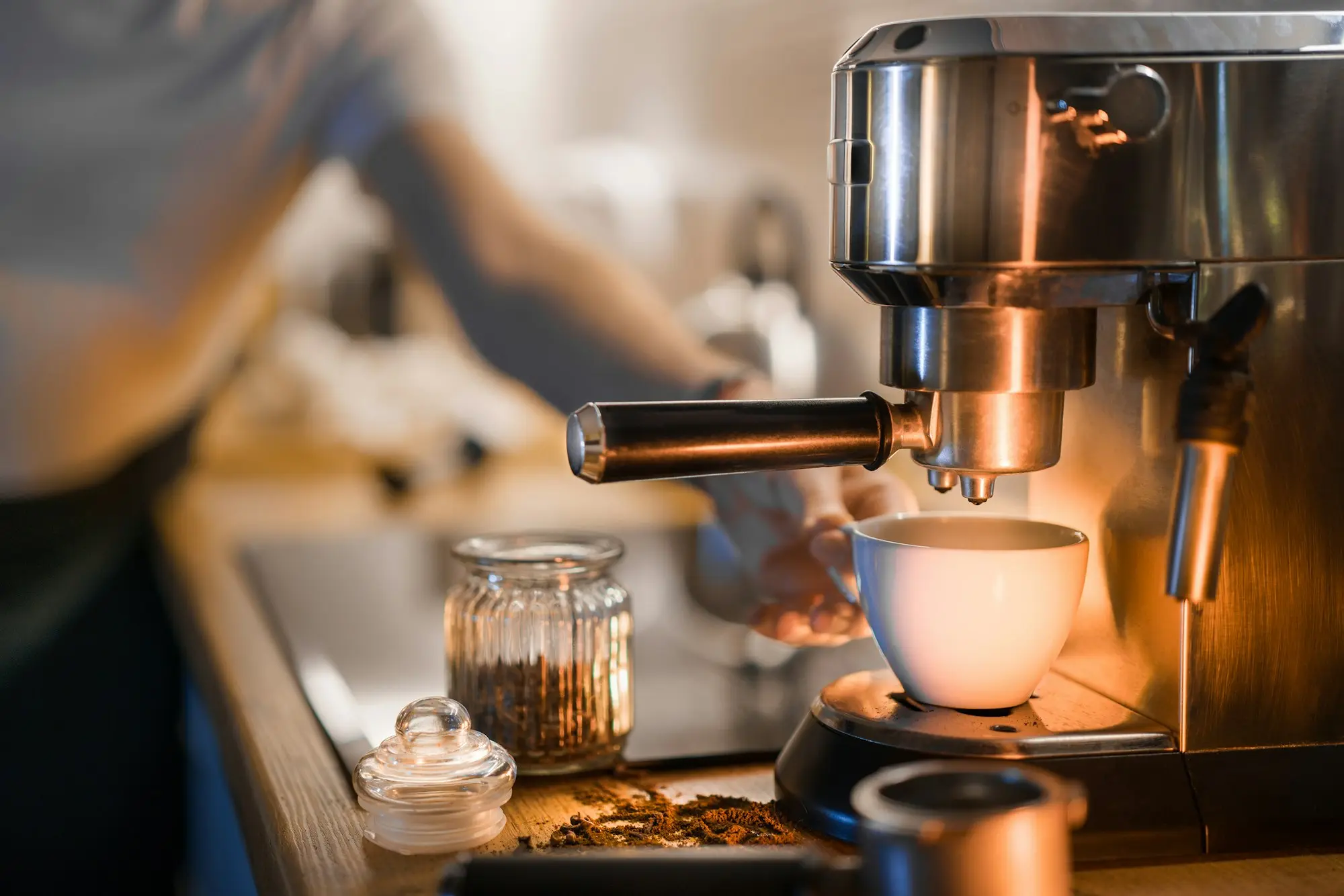
| Coffee machine and grinders | Equipment finance or rental | The machine |
| Fit-out of a new or refreshed venue | Fit-out finance, cash-flow loan or property-backed loan | Guarantee, property or movable items |
| Stock, wages and rent through a quiet season | Cash-flow loan or line of credit | Takings and bank statements |
| Short-term boost repaid from card sales | Merchant cash advance | Future card takings |
| Buying a venue or the freehold | Secured term loan | Property and trading history |
| Tax, super or supplier arrears | Payment plan or property-backed refinance | Usually property |
Fit-outs deserve a special mention. Joinery, cool-room panels bolted to walls, plumbing and electrical work become part of the landlord’s premises. A lender can’t remove them if the loan goes bad, so pure fit-out lending is limited. Splitting the budget into movable equipment (easy to finance) and building works (funded another way) is a practical approach.
Which lenders suit hospitality?
- Equipment financiers handle most kitchen and bar equipment, often quickly when the supplier quote is clear.
- Online and non-bank lenders offer working capital sized on bank statements, typically $5,000 to $500,000 for trading businesses through our network.
- Card-based advance providers suit short, specific needs, but costs are high and stacking advances is dangerous.
- Banks favour established operators with strong financial statements and, usually, property security.
- Private and property-backed lenders fund larger projects, venue purchases or debt clean-ups against residential or commercial property, from $20,000 to $5,000,000.
If you’re weighing up a new venue or a second site, our page on buying a business explains how lenders treat goodwill.
Want to know which of these would look at your venue? Get a straight answer from a specialist — asking doesn’t touch your credit file.
What documents does a lender want from a venue?
- Six to twelve months of business bank statements showing card settlements.
- The last four BAS, lodged.
- Your lease, including the remaining term and any options.
- Recent profit and loss, ideally with wages shown separately.
- A list of existing finance, especially anything with daily or weekly repayments.
- Quotes or invoices for equipment being purchased.
- For larger loans, financial statements, tax returns and liquor licence details where relevant.
The lease matters more than many owners expect. A lender is reluctant to lend over five years to a business with two years left on its lease and no option to renew.
Does the type of venue change how lenders see you?
It does. Lenders group hospitality businesses by how predictable their income is and what they own.
- Cafes and takeaway have frequent, small card transactions and modest equipment, so they suit cash-flow lending and equipment finance.
- Restaurants carry higher wage bills and more expensive kitchens; lenders look closely at wages as a share of sales.
- Bars and pubs add liquor licences, gaming in some states and often freehold property, which opens up larger secured loans.
- Caterers and food trucks are judged on contracts and bookings, and the truck or trailer itself can be financed as a vehicle.
Knowing which bucket you sit in helps you approach the right lender first.
How do seasons affect hospitality finance?
Plan around your own calendar. Coastal and alpine venues should arrange working capital at the end of their strong season, when statements look healthiest, rather than in the middle of the trough. City venues often need help across late December and January. Regional pubs may peak with harvest, races, shows or tourist events. Building a three-month cash buffer, or having a facility approved before you need it, is the difference between a quiet season and a crisis. Our page on seasonal cash flow goes deeper.
What are the common finance mistakes in hospitality?
- Stacking advances. Taking a second card-based advance to cover repayments on the first is a spiral, not a solution.
- Letting super and PAYG slide. These arrears grow quickly and limit future finance.
- Lending longer than the lease. A five-year loan on a two-year lease leaves you paying for equipment in a venue you may lose.
- Over-capitalising the fit-out. Spend that can’t be recovered on exit should be modest and paid back quickly.
- No separate business account. Cash takings mixed with personal spending understate what you really earn.
An illustrative example
This is illustrative, with round numbers and no real venue. A suburban cafe takes about $18,000 a week, mostly by card. The owners want a new combi oven and cool room at $60,000 and $40,000 to cover the slow winter months. The equipment is financed over four years with the equipment as security, matching the remaining lease plus a renewal option. The working capital comes from a cash-flow loan sized on twelve months of bank statements, with repayments that keep weekly outgoings under control in July.
Ready to find out what your venue could borrow?
A quick enquiry tells us the kind of venue, how long you’ve been trading, roughly what you take each week and what the money is for. There’s no credit check at that stage, we don’t pass your details to a crowd of lenders, and a real person reads the file rather than a scoring bot. Be accurate about takings and existing debts so the first match is the right one. Start your hospitality enquiry, or compare other industries we cover.
Frequently asked questions
Can I get a business loan for a cafe or restaurant?
Yes. Trading cafes and restaurants commonly use equipment finance for kitchen gear, unsecured or cash-flow loans sized on card takings for working capital, and property-backed loans for bigger projects. Most unsecured lenders want at least six to twelve months of trading history and consistent deposits through a business account.
How do lenders assess a hospitality business?
They read bank statements for the level and consistency of takings, then compare wages, rent and supplier costs against sales. They check the lease term, any tax or super arrears, existing daily-repayment debts and your credit history. Established venues may also be asked for financial statements and tax returns.
Can I finance a restaurant fit-out?
Sometimes, but it's harder than financing equipment. Joinery, plumbing and electrical work become part of the landlord's building, so there's little for a lender to repossess. Owners usually fund fit-outs with a mix of equipment finance for movable items, a cash-flow loan, savings or a property-backed loan.
Is a merchant cash advance a good idea for a cafe?
It can suit a short, specific need because repayments rise and fall with card sales. The total cost is usually high, and taking a second advance before the first is repaid is a common route into trouble. Compare the total amount repayable in dollars with other options before signing.
Can I borrow to buy a pub or restaurant?
Yes, usually with a combination of the buyer's deposit, property security and sometimes vendor finance. Lenders want the venue's trading history, the lease or freehold details, licence transfer arrangements and a realistic forecast. Buying the freehold with the business opens up longer, larger loans.
Sources we checked
- RBA Financial Stability Review (October 2026) — Resilience of Australian households and businesses
- RBA Bulletin (October 2025) — Small business economic and financial conditions
- business.gov.au — Choose your funding
General information only, current at 5 October 2026. We don't publish interest rates: every business loan is priced on the borrower's own circumstances.