The short answer
Trade finance providers pay your overseas or local suppliers on your behalf, then give you time — often a set number of days — to sell the goods before you repay. Banks, non-banks and specialist trade financiers all offer it. They look at your trading history, supplier relationships, margins and how quickly stock turns into sales. It suits importers, wholesalers and retailers buying stock in bulk.
On this page · 13 sections
- Who provides trade finance in Australia?
- How does a trade finance facility work?
- Who suits a trade financier?
- What does a trade finance provider check?
- Why do trade financiers decline?
- How do you get trade finance ready?
- How do you work out how much trade finance you need?
- Which questions should you ask a trade financier?
- Quick checklist before you apply
- Trade finance and the Small Business Export Loan
- Trade finance or another working capital facility?
- Managing currency and timing risk
- Is a trade finance facility the missing piece?
Key points
- Funds the purchase side of the cash cycle: deposits and balances owed to suppliers.
- Repayment is timed to when the goods are expected to sell.
- Providers look closely at margins, stock turnover and supplier reliability.
- Pairs naturally with invoice finance for businesses that both import and sell on terms.
Key facts
- Funds
- Supplier payments for stock
- Suits
- Importers, wholesalers, retailers
- Strength
- Preserves cash for operations
- Weakness
- Short terms per shipment
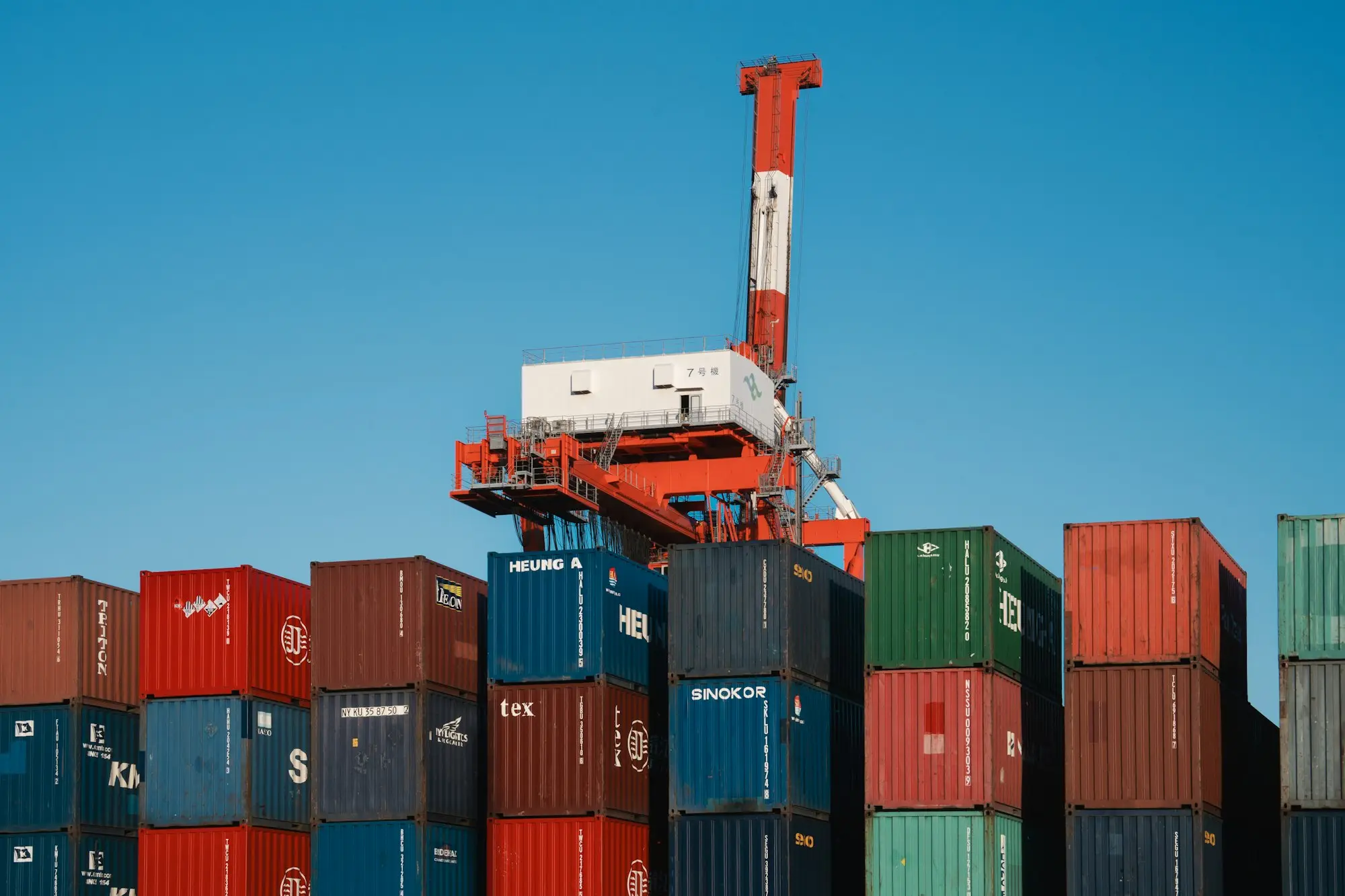
If you import stock, you know the shape of the problem. The supplier wants a deposit when you order and the balance before the goods ship. Then come freight, customs and GST. Weeks later the stock lands, and weeks after that it sells. For the whole of that stretch your cash is sitting in a container. Trade finance providers are the lenders built for that stretch.
Who provides trade finance in Australia?
- Banks, through trade finance desks that also handle letters of credit and documentary collections for larger importers and exporters.
- Non-bank and specialist trade financiers, often more accessible for small and mid-sized importers, with simpler online facilities.
- Supply chain finance platforms, which fund suppliers or buyers within a particular supply chain.
- Government support for exporters through Export Finance Australia, which offers small business export loans and works alongside banks. Our government-backed lenders page has more detail.
How does a trade finance facility work?
A typical cycle with a specialist provider looks like this:
- You place an order and send the provider the supplier’s pro-forma invoice.
- The provider pays the supplier deposit and, later, the balance.
- Some facilities also pay freight, duty and GST on import.
- Your repayment period starts, often 60 to 180 days depending on the provider and the product.
- You repay from sales, then draw again for the next order.
The facility limit sets how much can be outstanding at once. As you prove the cycle works, providers are often willing to raise the limit.
Who suits a trade financier?
| Business | Why it fits |
|---|---|
| Importer of consumer goods selling through retail or online | Bridges ordering to selling |
| Wholesaler supplying trade customers on terms | Pairs with invoice finance to cover both ends |
| Retailer building stock before a peak season | Funds a one-off stock build without draining working capital |
| Manufacturer importing components | Pays suppliers while production runs |
What does a trade finance provider check?
- Trading history and margins. Healthy gross margins show the stock will repay the facility with room to spare.
- Stock turnover. How quickly goods typically sell after landing.
- Supplier track record. Established suppliers with a history of shipping as promised.
- Concentration. Reliance on one supplier or one customer.
- Financial position. Financial statements, BAS, bank statements and any existing debt.
- Security. Usually a general security agreement over business assets and director guarantees.
If you’re planning a large order and want to know whether a facility is realistic, ask a specialist first — there’s no credit check involved.
Why do trade financiers decline?
- Thin or falling margins, so a slow sale could leave the facility unpaid.
- Stock that’s seasonal, perishable or prone to sitting on shelves.
- Too little trading history with the supplier or product.
- Existing lenders holding first-ranking security that blocks a new facility.
- An application that’s really funding losses rather than stock.
How do you get trade finance ready?
Keep clean records of past shipments: order dates, landing dates and sell-through. Know your landed cost per unit, including freight and duty. Line up the facility before peak season rather than after the order is placed. Our guide to arranging finance before you need it explains why timing matters so much here, and business.gov.au’s cash flow guidance on managing stock levels is worth a read alongside it.
How do you work out how much trade finance you need?
Map one complete stock cycle. List each payment and receipt with its date: supplier deposit, balance before shipping, freight, duty and GST on import, landing, the first sales, and the point most of the shipment is sold. The largest gap between cumulative payments and cumulative sales is roughly the facility you need for one shipment. If orders overlap, add the overlap.
An illustrative cycle, with no real business involved:
| Week | Event | Cash position |
|---|---|---|
| 0 | Supplier deposit paid | Money out |
| 6 | Balance paid before shipping | Money out |
| 10 | Goods land; freight, duty and GST paid | Money out |
| 12–20 | Stock sells through retail and trade customers | Money in |
| 24 | Most of the shipment sold | Back to even |
For roughly six months, the importer’s cash is tied up in that stock. A facility sized to cover the deepest point of that gap — with some headroom for delays at the port — is what lets the business keep ordering without starving operations. Most providers will help you model this; bring your own numbers so the conversation starts from reality.
Which questions should you ask a trade financier?
- Which costs can the facility pay: supplier deposits, balances, freight, duty, GST?
- How long is the repayment period for each drawing?
- Is there a limit per supplier or per shipment?
- What security will be registered, and does it affect my other lenders?
Quick checklist before you apply
- Pro-forma invoices from your supplier.
- Records of past shipments: order, landing and sell-through dates.
Trade finance and the Small Business Export Loan
Exporters have an extra option worth knowing about. Export Finance Australia’s Small Business Export Loan, listed on business.gov.au, offers $20,000 to $350,000 to eligible businesses that have an ACN, turnover over $250,000, at least two years of trading and sell directly to overseas customers. It’s designed to fund export contracts and working capital where commercial lenders may not stretch far enough. It sits alongside, rather than replaces, commercial trade finance, and our guide to government-backed lenders explains how the two fit together.
Trade finance or another working capital facility?
| Your situation | Often suits | Why |
|---|---|---|
| Paying overseas suppliers before goods ship | Trade finance | Pays the supplier and gives you time to land and sell the stock |
| Selling to business customers on terms | Invoice finance | Advances against what customers owe |
| Both buying stock and waiting on customers | Combined trade and receivables facility | One limit covering the whole cycle |
| Occasional stock top-ups | Line of credit | Simpler and usually cheaper for small, irregular needs |
Managing currency and timing risk
Trade finance often involves paying suppliers in a foreign currency, so a movement in the exchange rate between ordering and paying can change your cost. Many importers fix the rate for a known payment through their bank or a payment provider. Timing matters too: shipping delays push back when you can sell the stock, so build a buffer into the facility term. A facility that only just covers a smooth voyage will be under strain the first time a container sits at the wharf for an extra fortnight, and lenders would rather set the term properly at the start than extend it in a hurry. A specialist can help you size the limit and term properly — start a short enquiry with your typical order cycle.
Is a trade finance facility the missing piece?
If stock is tying up your cash between order and sale, trade finance or a related facility may free it. Send us a 60-second enquiry outlining what you buy, from where and how much, and a lending specialist will tell you which provider type fits. Asking costs nothing and isn’t a credit check, we don’t distribute your details to a list of financiers, and accurate answers about your stock cycle help us get the structure right on the first go.
Frequently asked questions
What is trade finance?
It's funding that pays suppliers for goods before you've sold them. The provider pays the supplier, and you repay the provider over an agreed period, usually timed to your sales cycle. It's common for imported stock but also used for local bulk purchases.
Do I need property security for trade finance?
Not always. Many trade finance facilities are secured over the business's assets through a general security agreement, plus director guarantees. Larger facilities or newer importers may need additional security.
Can trade finance cover freight and duty?
Some providers will fund freight, customs duty and GST on imports alongside the supplier invoice. Ask which costs are eligible, because it changes how much of the cycle the facility covers.
Is trade finance only for importers?
No. Exporters can use related products, and some providers fund local supplier purchases. Government support is also available for some exporters through Export Finance Australia.
How is trade finance different from invoice finance?
Trade finance funds the buying side — paying suppliers. Invoice finance funds the selling side — advancing against what customers owe you. Some businesses use both to cover the whole cash cycle.
Sources we checked
- business.gov.au — Choose your funding
- Export Finance Australia
- business.gov.au — Improve your cash flow
General information only, current at 5 October 2026. We don't publish interest rates: every business loan is priced on the borrower's own circumstances.