







No credit check to ask Your details go to one lender, not a list Business purposes only

03 9072 0200
Lenders in an Australian small business setting

The lender directory

Australian business lenders: who lends and what they want

Every kind of business lender operating in Australia — what each one funds, the security it wants, the borrower it likes and the things that make it say no.

See if you qualify → No credit check to enquire
In this hub
13 guides
Updated
5 October 2026
To enquire
No credit check

Lenders in one paragraph

Australian businesses borrow from far more than the big four banks. The main business lenders are major banks, regional and challenger banks, non-bank lenders funded by investors, private lenders, online lenders that assess bank data, invoice financiers, asset and equipment financiers, trade finance providers, caveat and second-mortgage lenders, merchant cash advance providers and a small number of government-backed lenders. Each has its own appetite, documents and pricing.

01 Lenders

Every type of business lender in Australia

Green and yellow Melbourne tram on a city street

Compare business lenders

How to compare Australian business lenders properly: lender type first, then security, documents, timing and total cost in dollars — not headline rates.

See what they want
Green and yellow Melbourne tram on a city street

Major banks

How Australia's major banks lend to business: the borrowers they favour, security and documents they ask for, why they decline, and when to look elsewhere.

See what they want
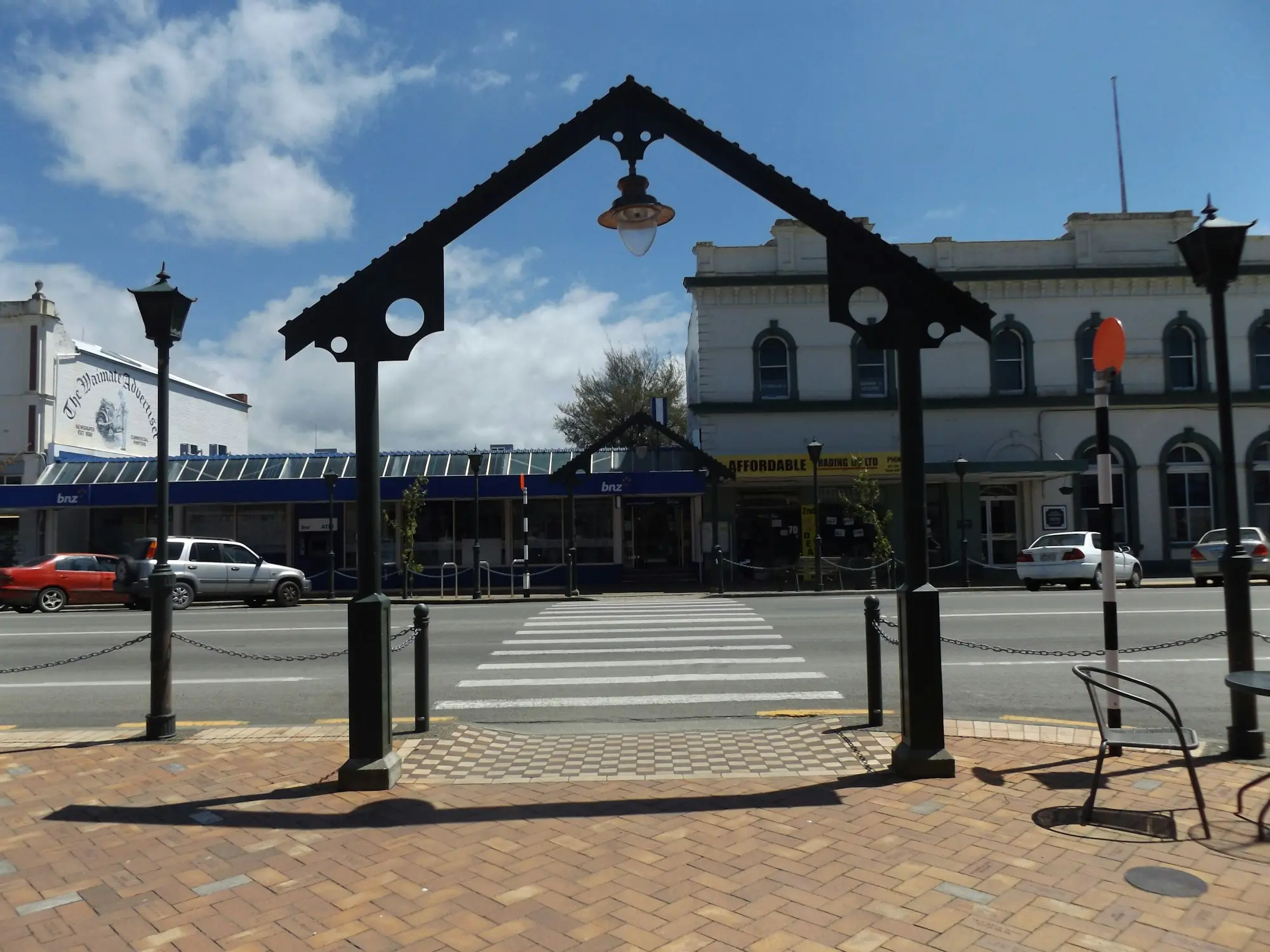
Shops and a pedestrian crossing on a town main street

Regional and challenger banks

How regional, challenger and mutual banks and credit unions lend to Australian businesses, who they suit and how they differ from the majors.

See what they want
Business owner standing in a warehouse beside a forklift

Non-bank lenders

How non-bank business lenders in Australia are funded, who they suit, what they ask for and how they differ from banks on credit and cost.

See what they want
Brisbane riverside buildings on a clear day

Private lenders

How private business lenders in Australia assess property security and the exit, who they suit, typical uses and the questions to ask first.

See what they want
Café owner smiling and holding an open sign in their shop

Online lenders

How online business lenders in Australia assess bank data and turnover, who they suit, repayment rhythms, costs to check and why they decline.

See what they want
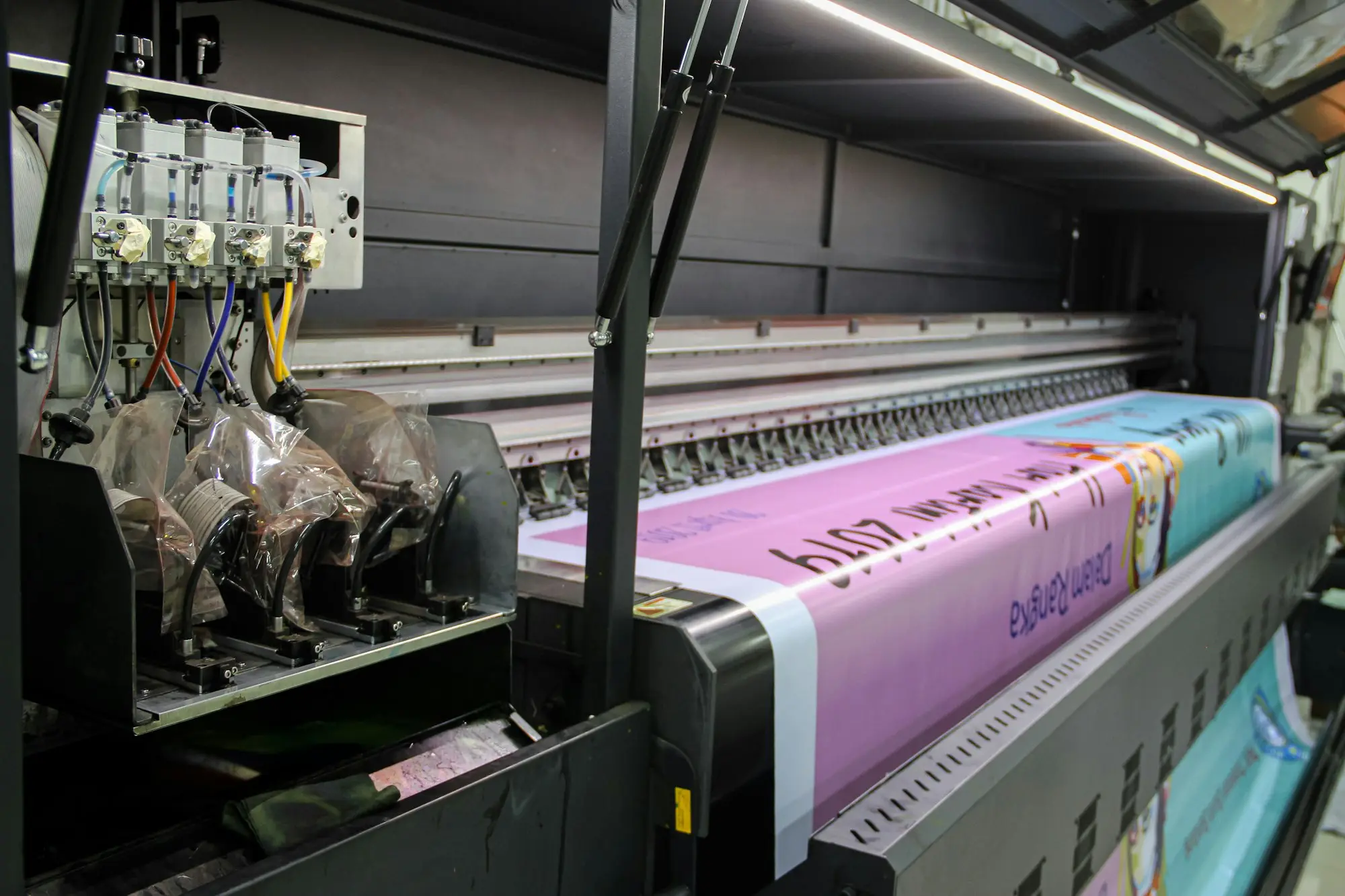
Large-format printer producing a printed banner in a print shop

Invoice finance providers

How Australian invoice finance providers advance cash against unpaid business invoices, what they check about your debtors and costs to compare.

See what they want
Yellow earthmoving machinery on a dirt site in Victoria

Asset and equipment financiers

How Australian asset and equipment financiers lend against vehicles, machinery and fit-outs, who they suit, what they need and why they decline.

See what they want
Gantry crane above stacked shipping containers at a port terminal

Trade finance providers

How trade finance providers in Australia pay suppliers up front for importers and wholesalers, who they suit, what they check and why they decline.

See what they want
Brisbane riverside buildings on a clear day

Caveat and second-mortgage lenders

How caveat and second-mortgage business lenders work behind an existing home loan, who uses them, what they need and the exit they expect.

See what they want
Café owner smiling and holding an open sign in their shop

Merchant cash advance providers

How merchant cash advance and revenue-based providers work in Australia, who they suit, how repayments flex with sales and the costs to check.

See what they want
Business owner and adviser reviewing documents together

Brokers and marketplaces

How business loan brokers, marketplaces and lead sites differ in Australia, how they're paid, who sees your details and how to choose one.

See what they want
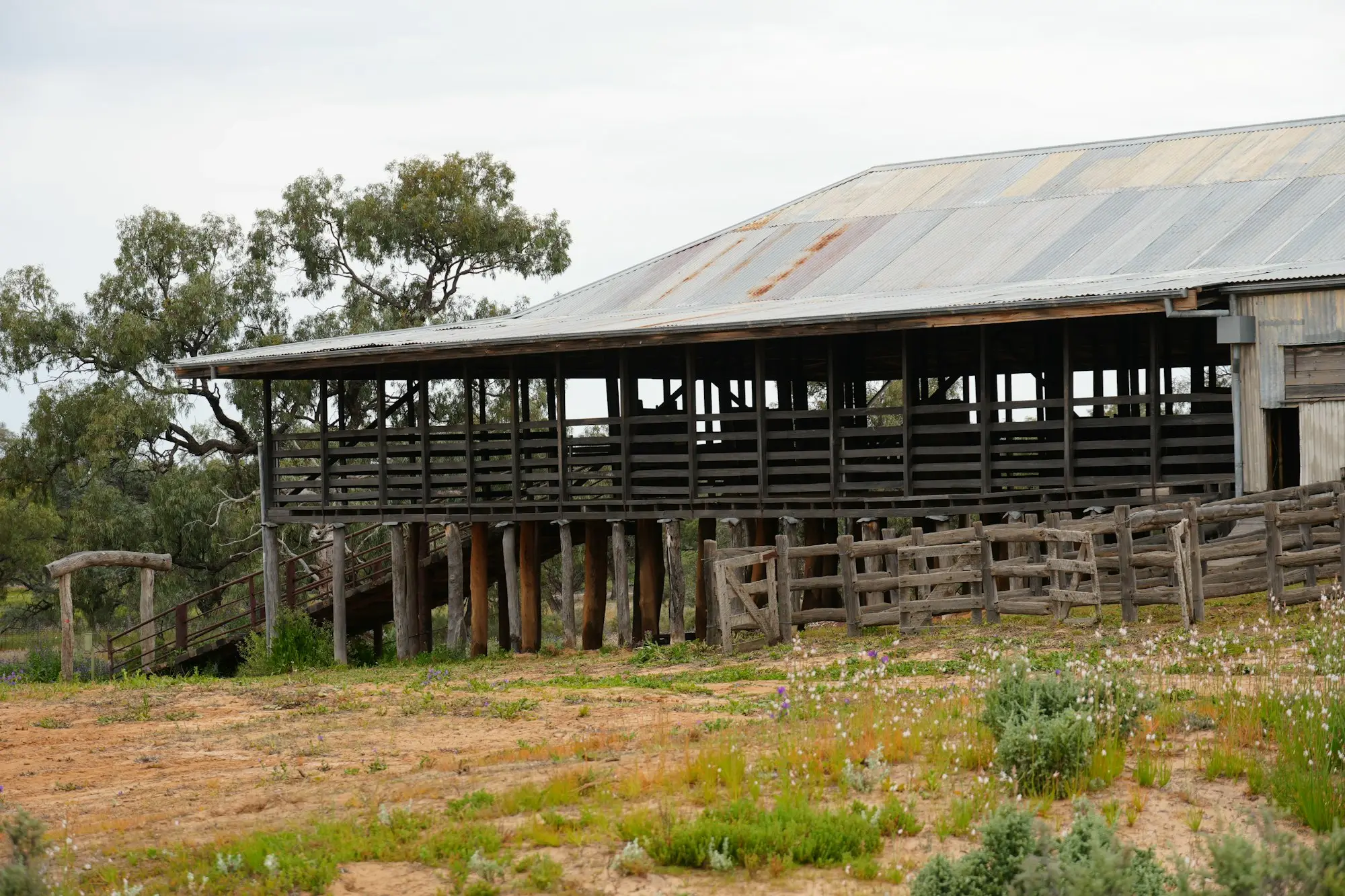
Rustic timber cattle yard with a corrugated iron roof in outback New South Wales

Government-backed lenders

Which Australian Government lenders fund businesses (mainly exporters and farm businesses), what they offer, and what everyone else should do.

See what they want

The Australian business lending market at a glance

Ask most owners where to get a business loan and they’ll name their bank. Banks remain the largest source of business credit, but they are one part of a much broader market. The RBA’s October 2025 Bulletin put the share of SMEs that struggle to get finance at roughly one in five — strict criteria, pricing that doesn’t suit and slow processing were the usual complaints — and showed non-bank lenders taking a much bigger slice of small business credit since early 2022, most of all in smaller loans. Put simply, many good businesses are now funded outside the banks.

Each lender type exists because it does something the others don’t. Banks offer long terms and sharp pricing to well-documented businesses. Non-bank and private lenders move outside bank policy. Online lenders assess live bank data. Invoice, asset and trade financiers lend against a specific thing — receivables, equipment, stock — and do that one job well.

How lender types compare

Lender type What they want most Paperwork Flexibility on credit Guide
Major banks Two years of financials, clean credit, property Heavy Low Major banks
Regional and challenger banks Similar to majors, more relationship time Heavy Low to medium Regional banks
Non-bank lenders Security and a believable income story Medium Medium to high Non-bank lenders
Private lenders Property equity and a clear exit Light High Private lenders
Online lenders Steady turnover in bank data Light Medium Online lenders
Invoice financiers Creditworthy business customers Medium Medium Invoice finance providers
Asset financiers The asset’s value and resale Light to medium Medium Asset financiers

The pattern is simple: the more paperwork and history a lender demands, the sharper its pricing tends to be; the more flexible it is about credit or documents, the more it relies on security and the more it charges for the risk. Neither end is better in itself. The right lender is the one whose rules fit your business today.

How to choose a business lender

Start with your profile rather than a brand. How long has the business traded? What can you offer as security? How clean is your credit file and your ATO account? How much do you need, for what, and how soon? Those answers rule whole lender types in or out before you speak to anyone. The Lender Matcher does that sorting in six questions, and the guide to comparing business lenders shows how to weigh offers once you have them.

A few rules apply whichever lender you choose:

  • Check the lender is genuine before sharing documents, and never pay an upfront fee before an approval.
  • Ask for the total repayable in dollars, and what it costs to exit early.
  • Read the guarantee and security clauses — they decide what’s at risk if things go wrong.
  • Apply to one well-chosen lender at a time rather than many at once.

An illustrative example

Purely illustrative, with no real business involved: a joinery business with eighteen months of trading, a home with good equity and an old paid default wants $250,000 to buy a CNC machine and fund stock for a large contract. A major bank declines because the business hasn’t lodged two years of tax returns. An asset financier is comfortable funding the machine against its value. A non-bank lender accepts BAS and bank statements to fund the stock against the home. Two lender types, each doing what it does best, and the business gets what it needs without a string of declines.

Lenders by size of loan

As a rough guide, unsecured and online lenders work mainly at the smaller end, typically $5,000 to $500,000 for trading businesses. Property-secured lending through non-bank and private lenders spans $20,000 to $5,000,000 in the market we work in, and banks cover the full range for well-documented businesses. Larger facilities generally need property and lenders with deeper funding; our guide to large business loans covers that end of the market.

Where brokers and our service fit in

Brokers and marketplaces aren’t lenders; they’re routes to lenders. Some route your file carefully, some spray it to anyone who’ll pay for a lead. Our approach is the careful kind: when you send an enquiry, a real person reads it, works out which lender type and lender fit, and approaches that lender with your permission. There’s no credit check to ask, your details aren’t broadcast, and the more accurately you answer the form, the more likely the first lender is the right one.

Explore the lender directory

Each guide below covers one lender type: what it funds, its typical borrower, the security and documents it asks for, how it prices risk in broad terms and the reasons it most often declines. If you’re still deciding between loan types, the business loans hub explains each product. When you’re ready for a person to match you, see if you qualify.

Lenders: common questions

Who are the business lenders in Australia?

Banks (the four majors plus regional, challenger and mutual banks), non-bank lenders funded by wholesale investors, private lenders, online lenders, invoice financiers, asset and equipment financiers, trade finance providers, caveat and second-mortgage lenders, merchant cash advance providers, and government-backed programs such as Export Finance Australia's small business loans. Brokers and marketplaces connect borrowers to them but don't lend themselves.

What is a non-bank business lender?

A lender that doesn't take deposits and is funded by investors, warehouses or securitisation instead. Non-banks are regulated differently from banks and often accept situations outside bank policy — shorter trading, alternative income evidence, past credit issues — usually at a higher price for that flexibility.

Are non-bank lenders safe to borrow from?

Established non-bank lenders are a normal part of the Australian market and lend to a large share of small businesses. As with any lender, check the business is real: look up its ABN and ACN, read the offer carefully, never pay an upfront fee before approval, and be wary of guarantees of approval.

Should I go to my own bank first?

If your business has two or more years of solid financials, clean credit and property security, your bank is a sensible first conversation. If any of those is missing, a bank application may simply produce a decline and a credit enquiry. Matching your profile to the right lender type first saves time.

Do you rank or review individual lenders?

No. We describe lender types rather than named lenders, because credit policies and appetites change too often for brand-by-brand rankings to stay honest. A specialist knows which lenders within each type are active for your situation right now.

Ready when you are

Know what you need? Let's find who'll lend it.

Tell us the amount, the purpose and a little about the business. A real person matches you to the lender most likely to say yes — no credit check to ask.

No credit check to ask

Asking what you could get leaves your credit file alone. A check only happens later, with a lender you've chosen, and you'll know before it does.

Not sprayed to a list

Your enquiry isn't auctioned or blasted to a crowd of lenders. We work out where it belongs and take it to that lender properly.

A real person on your file

Someone who knows the Australian lending market reads your details and calls you. Accurate answers on the form mean the right match first time.